
- English
- Español
- Português
- русский
- Français
- 日本語
- Deutsch
- tiếng Việt
- Italiano
- Nederlands
- ภาษาไทย
- Polski
- 한국어
- Svenska
- magyar
- Malay
- বাংলা ভাষার
- Dansk
- Suomi
- हिन्दी
- Pilipino
- Türkçe
- Gaeilge
- العربية
- Indonesia
- Norsk
- تمل
- český
- ελληνικά
- український
- Javanese
- فارسی
- தமிழ்
- తెలుగు
- नेपाली
- Burmese
- български
- ລາວ
- Latine
- Қазақша
- Euskal
- Azərbaycan
- Slovenský jazyk
- Македонски
- Lietuvos
- Eesti Keel
- Română
- Slovenski
- मराठी
- Srpski језик
- Esperanto
- Afrikaans
- Català
- שפה עברית
- Cymraeg
- Galego
- Latviešu
- icelandic
- ייִדיש
- беларускі
- Hrvatski
- Kreyòl ayisyen
- Shqiptar
- Malti
- lugha ya Kiswahili
- አማርኛ
- Bosanski
- Frysk
- ភាសាខ្មែរ
- ქართული
- ગુજરાતી
- Hausa
- Кыргыз тили
- ಕನ್ನಡ
- Corsa
- Kurdî
- മലയാളം
- Maori
- Монгол хэл
- Hmong
- IsiXhosa
- Zulu
- Yoruba
- অসমীয়া
- ଓଡିଆ
- Punjabi
- پښتو
- Chichewa
- Samoa
- Sesotho
- සිංහල
- Gàidhlig
- Cebuano
- Somali
- Тоҷикӣ
- O'zbek
- Hawaiian
- سنڌي
- Shinra
- Հայերեն
- Igbo
- Sundanese
- Lëtzebuergesch
- Malagasy
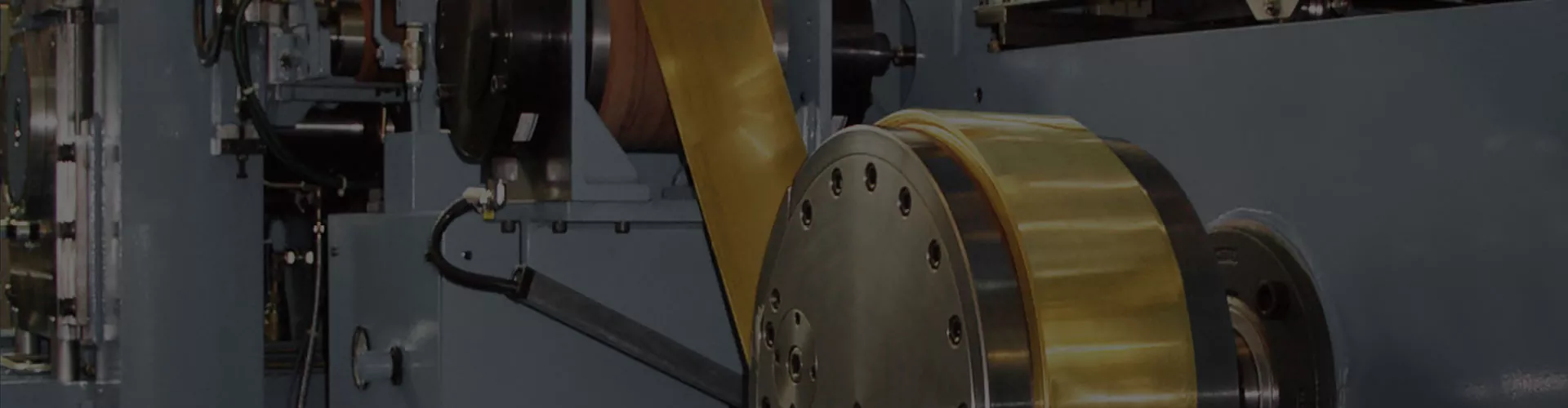
Laboratory Reducing Rolling Mill
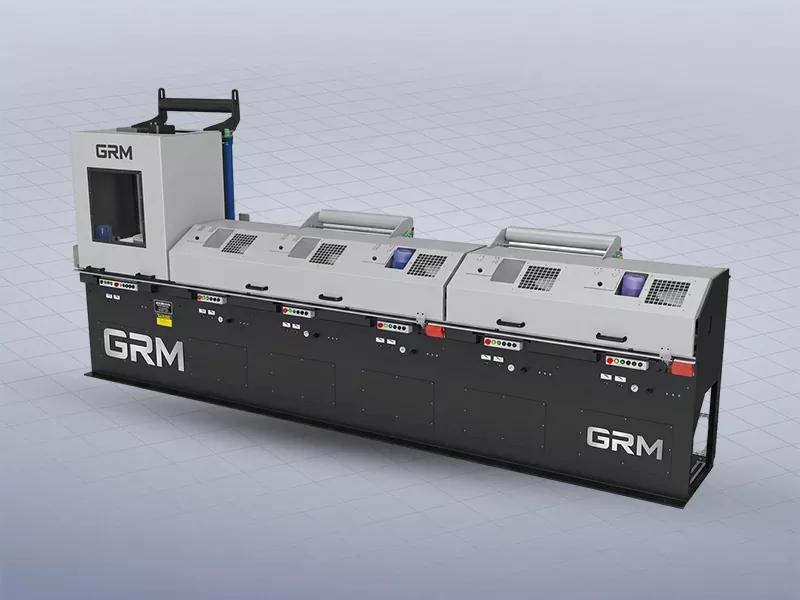
Purchase the Laboratory Reducing Rolling Mill from GRM Rolling Mill to optimize your alloy prototyping. This single-stand system utilizes a 25-pass multi-groove roll configuration to achieve precise ±0.05 mm diameter reductions for copper, steel, and titanium alloys. Designed to eliminate frequent roll changes, this compact mill allows R&D labs to process input diameters up to Φ30 mm down to Φ1 mm outputs safely, minimizing material waste and cutting configuration down-time to zero during small-batch experimental trials.
Buy Laboratory Reducing Rolling Mill from China GRM Rolling Mill. You can source the Laboratory Reducing Rolling Mill from GRM Rolling Mill for high-precision, small-scale cross-sectional reduction. When sourcing specialized equipment for metallurgical research or trial production runs, traditional multi-stand industrial mills are too large, expensive, and difficult to clean between alloy batches. To address these specific operational constraints, this CE-certified Laboratory Reducing Rolling Mill consolidates an entire multi-pass reduction sequence into a singular, highly rigid mechanical frame.Structural Capabilities
Structural Capabilities
Instead of using multiple machines, the operator manually guides the wire rod through adjacent, sequentially smaller grooves cut into a single set of Φ160 mm tool-steel rolls. The Laboratory Reducing Rolling Mill applies precise micro-tension drawing forces, allowing researchers to evaluate material deformation characteristics, grain elongation, and surface quality changes using just a few kilograms of test material.
Product Parameter
The table below outlines the exact mechanical boundaries, processing capacities, and dimensions of the baseline single-stand Laboratory Reducing Rolling Mill profile. All data points reflect true physical limits tested under standard metallurgical lab conditions.
Technical Parameter Matrix
|
Engineering Parameter |
Industrial Specification |
|
Max. Input Material Diameter |
Φ30 mm |
|
Min. Required Input Length |
200 mm |
|
Finished Product Output Range |
Φ1 mm to Φ9 mm |
|
Work Roll Mechanical Size |
Φ160 mm × 400 mm |
|
Total Available Grooves |
25 distinct passes on a single roll set |
|
Finished Product Tolerance |
±0.05 mm |
|
Stepless Variable Speed Range |
0.5 m/s to 3 m/s (fully adjustable) |
|
Sectional Reduction Rate |
3% to 15% per rolling pass |
|
Resulting Surface Quality |
Smooth, continuous, flat, wave-free, and crack-free |
Material Applications & Compatibility
The Laboratory Reducing Rolling Mill is engineered to handle the distinct physical resistance properties of both common ductile metals and high-strength, brittle specialty alloys. It is widely used by laboratories to test the following materials:
• Copper Alloys: High-conductivity wire rods, oxygen-free copper, and electronic-grade brass profiles.
• Precious Metals: Industrial silver contacts and platinum-group alloy wires where material loss must be kept near zero.
• High-Strength Steels: Stainless steel wire stock and iron-based superalloys that exert high separating forces on the rolls.
• Refractory & Specialty Alloys: Titanium-based medical wire and aluminum-based structural alloys requiring precise monitoring of work-hardening thresholds.
Key Features & Mechanical Advantages
Integrated Multi-Groove Roll Layout
The roller body features 25 precision-machined grooves of decreasing diameters. When an engineer needs to step down a titanium rod from Φ10 mm to Φ8 mm, they simply feed the material through the corresponding sequence of grooves on the same roll set. This design eliminates machine down-time caused by changing out heavy rolls.
Controlled Micro-Tension Reduction
By supporting an adjustable per-pass reduction rate between 3% and 15%, the Laboratory Reducing Rolling Mill prevents internal structural shearing. For example, when rolling work-hardening materials like stainless steel, setting a lower reduction rate (e.g., 5%) prevents surface cracking and keeps the grain structure uniform across the core of the wire.
Rigid Box-Frame Footprint
Built for small-scale spaces, the Laboratory Reducing Rolling Mill features a compact footprint that fits easily into standard testing labs. The upper and lower roll gaps are adjusted via a manual screw-down system with a clear, repeatable mechanical readout. This ensures operators can reset exact gap parameters across different testing batches with high accuracy.
Customization Options
To meet the precise research requirements of diverse international buyers, the mechanical and electronic control systems of the Laboratory Reducing Rolling Mill can be modified to fit specific workflows:
• Custom Grooving Profiles: Rolls can be custom-cut with non-round profiles, including square-to-round, oval-to-round, hexagonal, or flat configurations to analyze specific metal flow characteristics.
• PLC Automation Upgrades: The manual baseline system of the Laboratory Reducing Rolling Mill can be upgraded with a proprietary PLC touchscreen terminal. This addition provides real-time torque readouts, electronic gap adjustment, and automated roll-speed synchronization, improving rolling consistency by 30% to 40%.
• Thermal Integration Layouts: The entry guide area can be structurally modified to line up with induction pre-heating furnaces or protective inert-gas chambers, enabling controlled atmosphere warm-rolling and hot-rolling tests.
Frequently Asked Questions (FAQ)
How do operators prevent cross-contamination when changing between different alloy materials on the Laboratory Reducing Rolling Mill?
The 25-pass rolls are made from high-density, vacuum-heat-treated tool steel with a smooth, polished finish. Because the surface resists material adhesion, operators can quickly clean the rolls with standard industrial solvents between test batches, preventing cross-contamination when switching from copper to steel or precious silver alloys.
What happens if an alloy work-hardens too quickly during the reduction process?
If an experimental material shows rapid work-hardening during sequential passes, the operator can adjust the manual roll gap to apply a lower reduction rate (down to 3%) per pass. Alternatively, the material can be removed for intermediate annealing before finishing the remaining reduction passes on the mill.
Can the mill handle input lengths shorter than 200 mm?
The mechanical center-line and guide design of the Laboratory Reducing Rolling Mill require a minimum material length of 200 mm to ensure stable, safe feeding through the roll grooves. Feeding pieces shorter than 200 mm can cause the material to twist inside the groove, which can compromise surface quality and dimensional tolerances.
Related Products
Hot Products
Solar PV Round Wire Machine
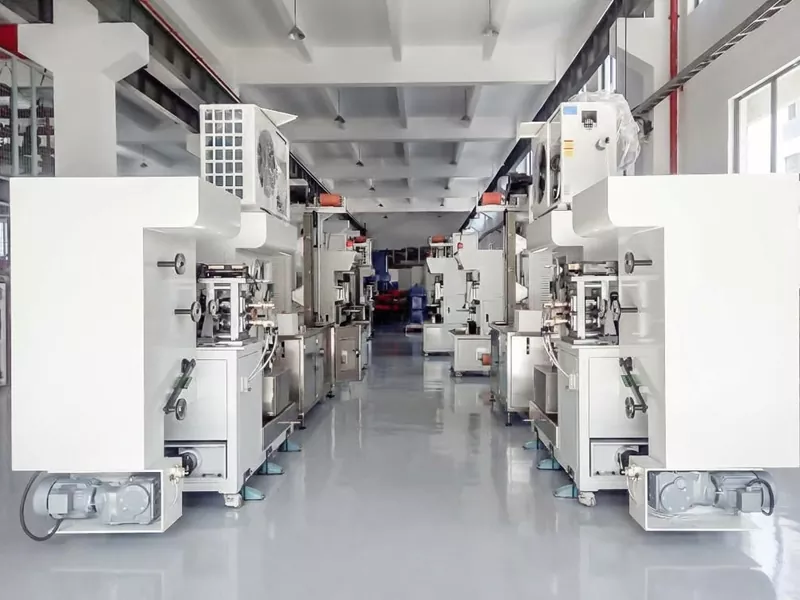
GRM Rolling Mill is a leading global supplier of precision production equipment(like Solar PV Round Wire Machine) and complete line solutions for photovoltaic ribbons, particularly MBB ribbons. We specialize in providing comprehensive technology for manufacturing interconnection ribbons—the core conductive material for PV modules—covering precision drawing, timing, and intelligent winding. Our equipment is designed to achieve exceptional stability and consistency in ribbon geometry, coating uniformity, and mechanical properties, which serves as the cornerstone for enhancing cell efficiency and long-term module reliability.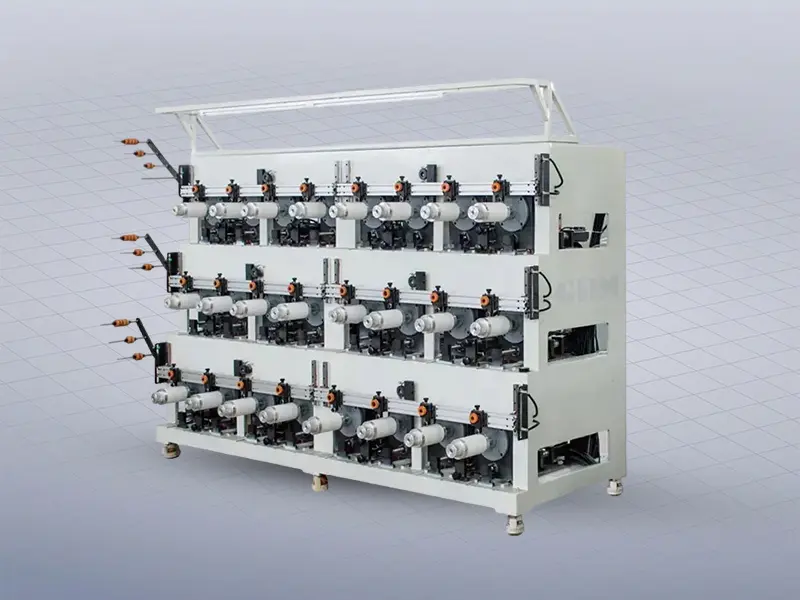
Rewinding Machine
China REW-M12 rewinding machine from GRM Rolling Mill factory is designed for the rewinding of strip and film materials: it enables copper strips, steel strips, and 3M films to be unwound from the original coils and rewound into forms that are more suitable for storage and transportation.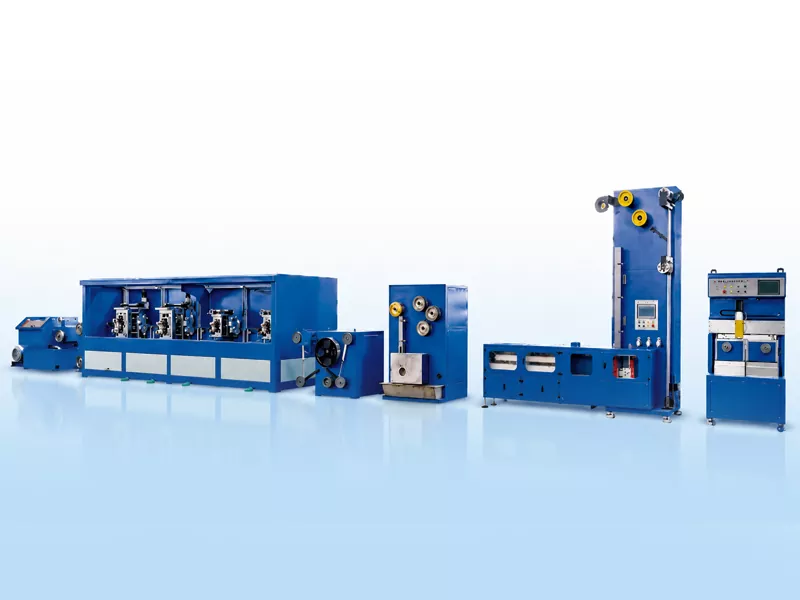
PV Busbar Ribbon Production Line
GRM PV Busbar Ribbon Production Line are designed to continuously process TU1 oxygen-free copper round wire into high-precision tin-coated flat conductive ribbon. The line is suitable for PV interconnection ribbon, busbar ribbon, and reflective busbar ribbon production. The complete line integrates wire drawing, precision rolling, continuous annealing, flux treatment, hot-dip tin coating, and automatic take-up. It helps PV ribbon manufacturers control width and thickness accuracy, tin coating quality, strip straightness, and winding consistency. The GRM busbar ribbon production line is approximately 26 m long and 3 m wide, with a total line weight of about 14 tons. The design speed can reach up to 150 m/min, depending on copper wire size, finished ribbon dimensions, tinning speed, and take-up method. Under typical production conditions, the monthly output can reach approximately 60-80 tons.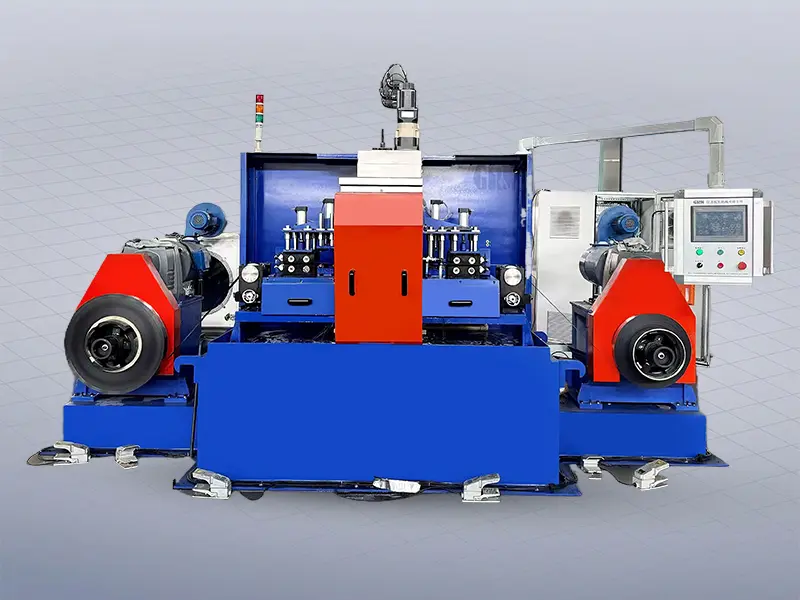
Four-High Rolling Mill
A Four-High Rolling Mill from GRM Rolling Mill factory is a metal processing equipment consisting of two parallel, smaller diameter horizontal work rolls and two larger diameter support rolls used to support the work rolls. High relative stiffness, which can effectively control the dimensional accuracy and plate shape of the rolled piece; The large amount of compression can cause significant deformation of metal materials; Low rolling force, capable of rolling thinner plates, suitable for various metal materials such as plain carbon steel, alloy steel, stainless steel, copper, aluminum, etc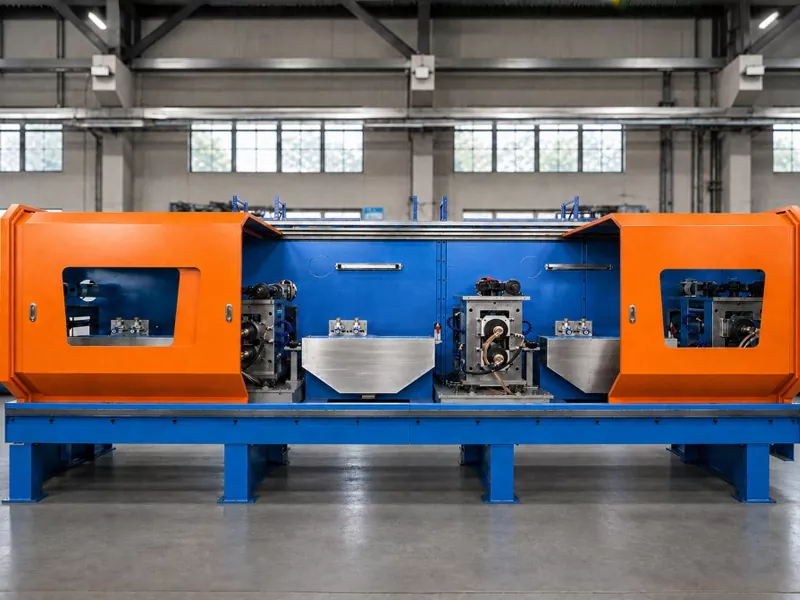
Integrated Drawing and Rolling Line for Precision Copper Flat Wire
GRM's Integrated Drawing and Rolling Line for Precision Copper Flat Wire is a customized copper flat wire production solution integrating wire drawing, precision rolling, online measurement, and automatic take-up in one continuous process. Designed for transformer conductors, CTC conductor manufacturing, enameled rectangular wire, and EV motor flat wire production, the line achieves speeds up to 400 m/min. This integrated system improves efficiency and reduces material handling.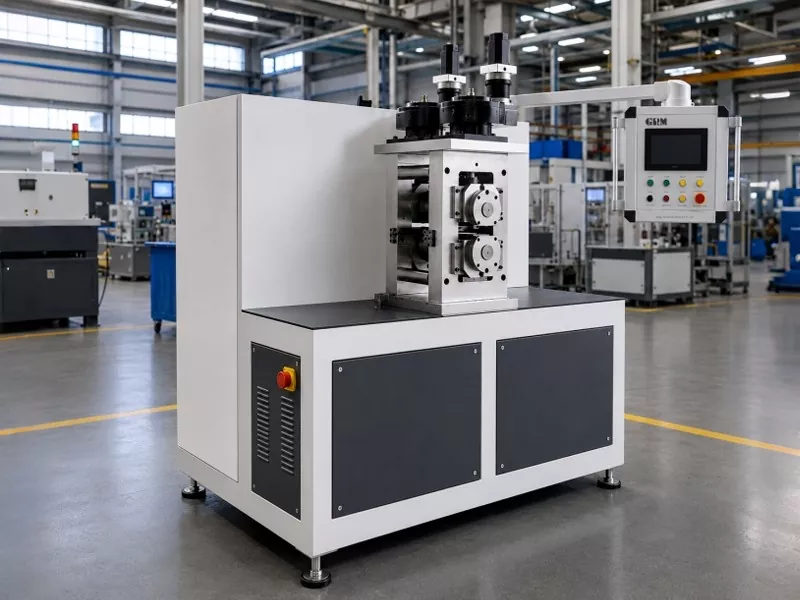
Single Stand Multi-Groove Reducing Rolling Mill
GRM Rolling Mill offers a high-quality Single Stand Multi-Groove Reducing Rolling Mill. This equipment utilizes flexible multi-groove rolling technology, making it an ideal solution for laboratory material testing, small-batch prototyping, and multi-specification processing. 1. Stable dimensional control 2. Adjustable rolling speed
- Related Blog
- Reviews