
- English
- Español
- Português
- русский
- Français
- 日本語
- Deutsch
- tiếng Việt
- Italiano
- Nederlands
- ภาษาไทย
- Polski
- 한국어
- Svenska
- magyar
- Malay
- বাংলা ভাষার
- Dansk
- Suomi
- हिन्दी
- Pilipino
- Türkçe
- Gaeilge
- العربية
- Indonesia
- Norsk
- تمل
- český
- ελληνικά
- український
- Javanese
- فارسی
- தமிழ்
- తెలుగు
- नेपाली
- Burmese
- български
- ລາວ
- Latine
- Қазақша
- Euskal
- Azərbaycan
- Slovenský jazyk
- Македонски
- Lietuvos
- Eesti Keel
- Română
- Slovenski
- मराठी
- Srpski језик
- Esperanto
- Afrikaans
- Català
- שפה עברית
- Cymraeg
- Galego
- Latviešu
- icelandic
- ייִדיש
- беларускі
- Hrvatski
- Kreyòl ayisyen
- Shqiptar
- Malti
- lugha ya Kiswahili
- አማርኛ
- Bosanski
- Frysk
- ភាសាខ្មែរ
- ქართული
- ગુજરાતી
- Hausa
- Кыргыз тили
- ಕನ್ನಡ
- Corsa
- Kurdî
- മലയാളം
- Maori
- Монгол хэл
- Hmong
- IsiXhosa
- Zulu
- Yoruba
- অসমীয়া
- ଓଡିଆ
- Punjabi
- پښتو
- Chichewa
- Samoa
- Sesotho
- සිංහල
- Gàidhlig
- Cebuano
- Somali
- Тоҷикӣ
- O'zbek
- Hawaiian
- سنڌي
- Shinra
- Հայերեն
- Igbo
- Sundanese
- Lëtzebuergesch
- Malagasy

Industry News
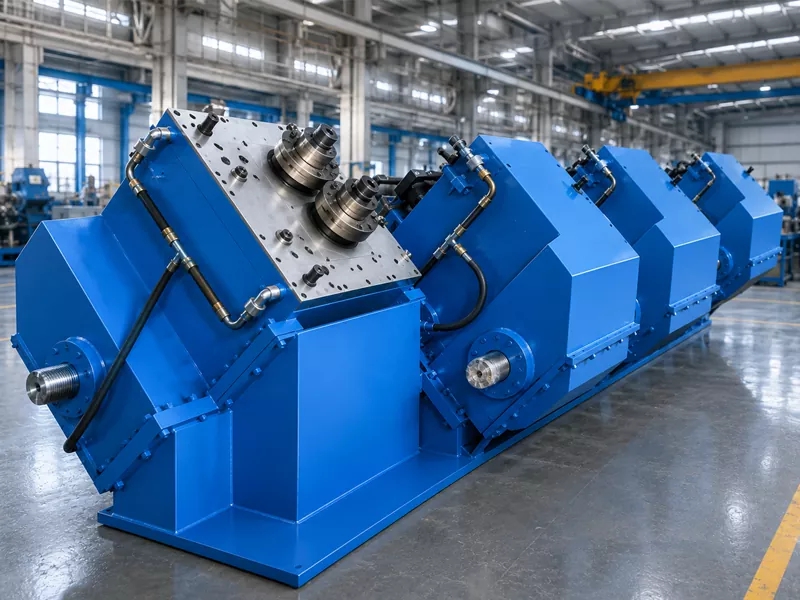
What Factors Limit the Rolling Speed of Multi Stand Reducing Rolling Mill
Many tube line operators hope to run Multi Stand Reducing Rolling Mill at higher speed to boost hourly output. But in actual production, rolling speed cannot be raised arbitrarily. Pushing speed too aggressively often leads to uneven wall thickness, surface scratches, tube breakage and moto......
Read More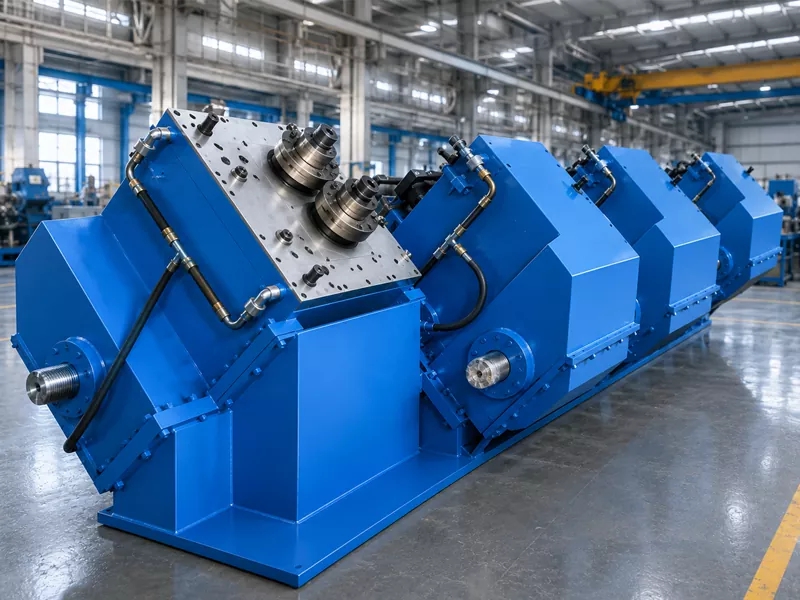
Why Straighten Feedstock Before Rolling on Multi Stand Reducing Rolling Mill
Workshops producing precision tubes and bars know well that multi-stand reducing mills run on continuous tension or tension-free rolling. The Multi Stand Reducing Rolling Mill must be well aligned. If incoming stock is bent, even with a slight curve, feeding it directly into the mill will tr......
Read More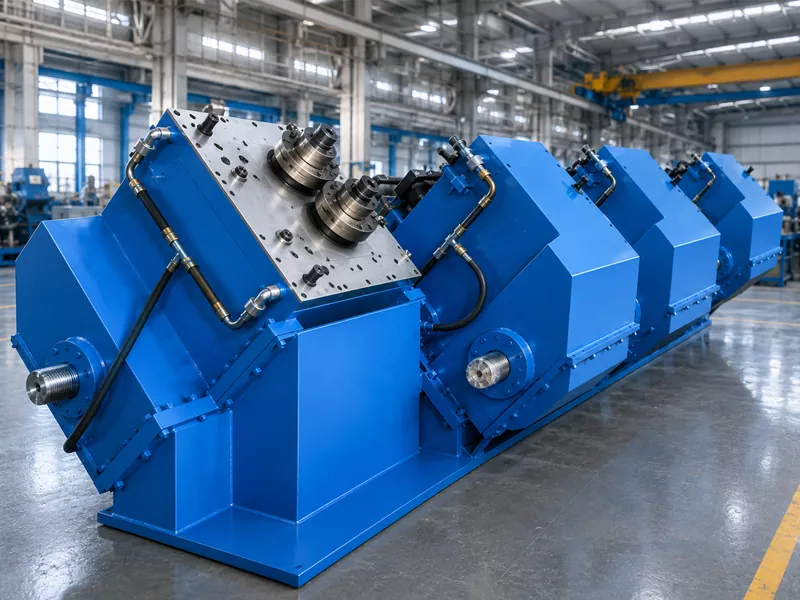
How Can Wire Reducing Mills Improve Dimensional Accuracy?
Wire reducing mills improve dimensional accuracy through controlled roll gaps, multi-stand reduction, and stable material feeding. This article explains the key process factors affecting wire diameter consistency, surface quality, and production stability, along with practical considerations for sel......
Read More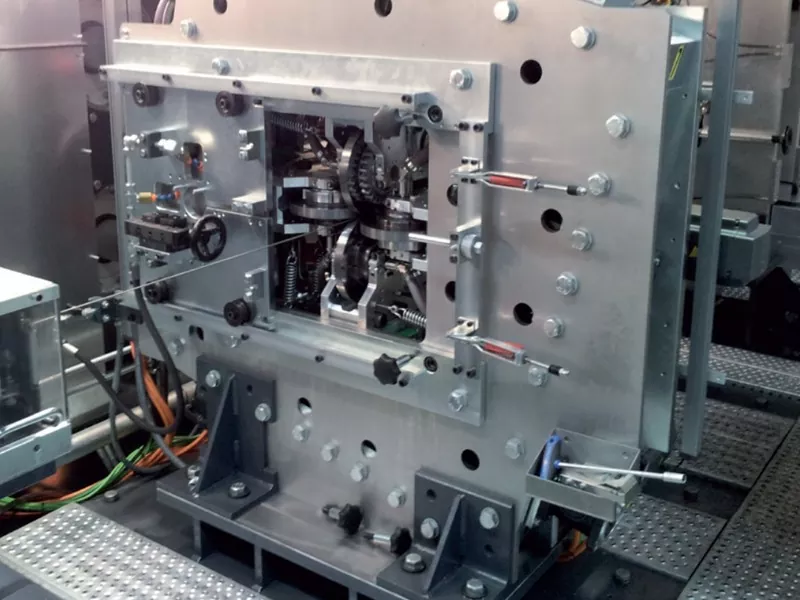
What Factors Matter When Choosing a Profile Wire Rolling Mill?
Choosing the right profile wire rolling mills requires more than checking machine capacity. Roll configuration, cross-section accuracy, production flexibility, and equipment rigidity all affect the final result. At GRM Rolling Mill, we use universal four-roll technology and axially adjustable rolls......
Read More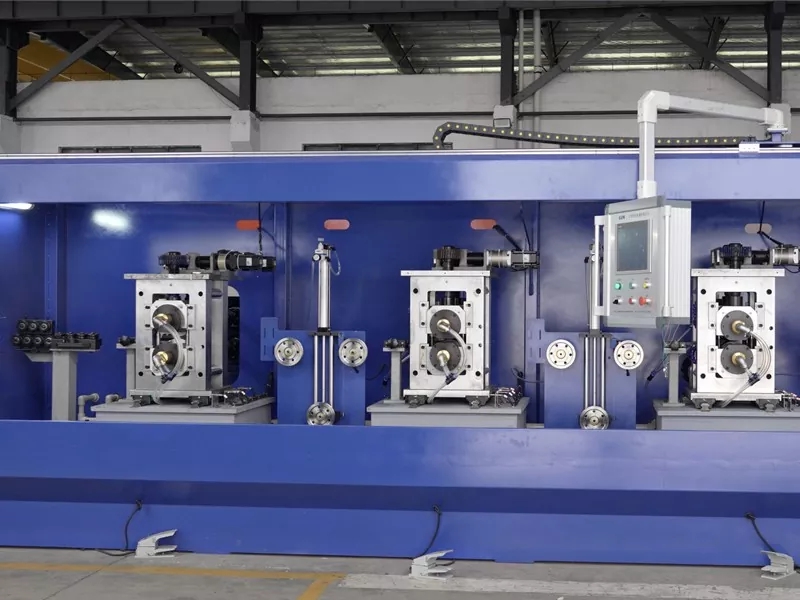
What are the key points of daily maintenance for the roller bearings of Two High Rolling Machine
Roll bearings are core load-bearing parts of Two High Rolling Machine. They work under heavy load and impact load, and are exposed to contaminants such as rolling emulsion, cooling water and metal dust. Bearing failure may lead to roll seizure, roll neck damage and unexpected shutdown. Stand......
Read More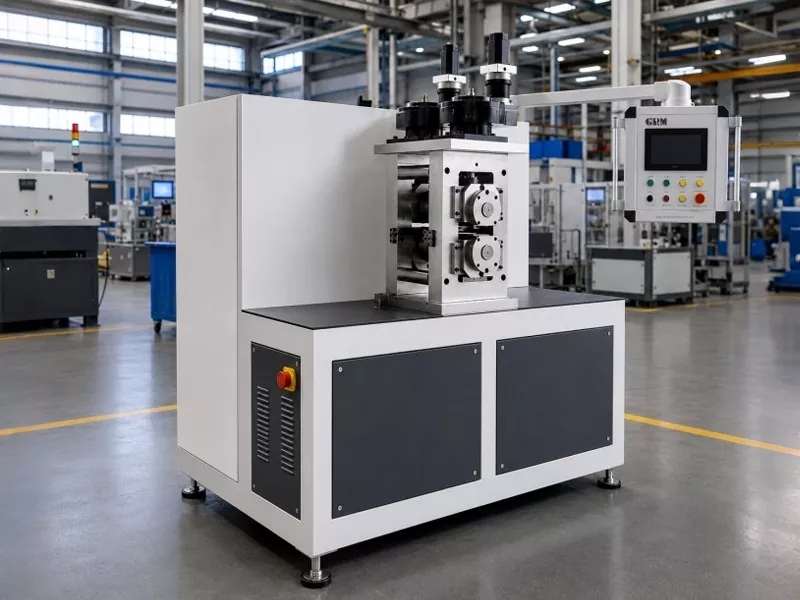
How to allocate the extension coefficients of each slot of Single Stand Multi-Groove Reducing Rolling Mill reasonably
All grooves of a Single Stand Multi-Groove Reducing Rolling Mill share the same roll set, stand and main drive. Multiple tubes are rolled simultaneously. Unlike multi-stand continuous sizing mills, it has no independent stand speed adjustment to compensate flow difference between grooves. Th......
Read More