
- English
- Español
- Português
- русский
- Français
- 日本語
- Deutsch
- tiếng Việt
- Italiano
- Nederlands
- ภาษาไทย
- Polski
- 한국어
- Svenska
- magyar
- Malay
- বাংলা ভাষার
- Dansk
- Suomi
- हिन्दी
- Pilipino
- Türkçe
- Gaeilge
- العربية
- Indonesia
- Norsk
- تمل
- český
- ελληνικά
- український
- Javanese
- فارسی
- தமிழ்
- తెలుగు
- नेपाली
- Burmese
- български
- ລາວ
- Latine
- Қазақша
- Euskal
- Azərbaycan
- Slovenský jazyk
- Македонски
- Lietuvos
- Eesti Keel
- Română
- Slovenski
- मराठी
- Srpski језик
- Esperanto
- Afrikaans
- Català
- שפה עברית
- Cymraeg
- Galego
- Latviešu
- icelandic
- ייִדיש
- беларускі
- Hrvatski
- Kreyòl ayisyen
- Shqiptar
- Malti
- lugha ya Kiswahili
- አማርኛ
- Bosanski
- Frysk
- ភាសាខ្មែរ
- ქართული
- ગુજરાતી
- Hausa
- Кыргыз тили
- ಕನ್ನಡ
- Corsa
- Kurdî
- മലയാളം
- Maori
- Монгол хэл
- Hmong
- IsiXhosa
- Zulu
- Yoruba
- অসমীয়া
- ଓଡିଆ
- Punjabi
- پښتو
- Chichewa
- Samoa
- Sesotho
- සිංහල
- Gàidhlig
- Cebuano
- Somali
- Тоҷикӣ
- O'zbek
- Hawaiian
- سنڌي
- Shinra
- Հայերեն
- Igbo
- Sundanese
- Lëtzebuergesch
- Malagasy

What Makes a Four-High Rolling Mill Essential for Modern Metal Processing Industries
A Four-High Rolling Mill is a critical piece of equipment in modern metal processing, known for its ability to produce high-precision, thin metal sheets with excellent surface quality. This blog explores the working principle, structure, advantages, applications, and selection criteria of four-high rolling mills. With insights into GRM's advanced manufacturing capabilities, this guide helps engineers, manufacturers, and procurement professionals understand why this technology is indispensable in today’s competitive industrial landscape.
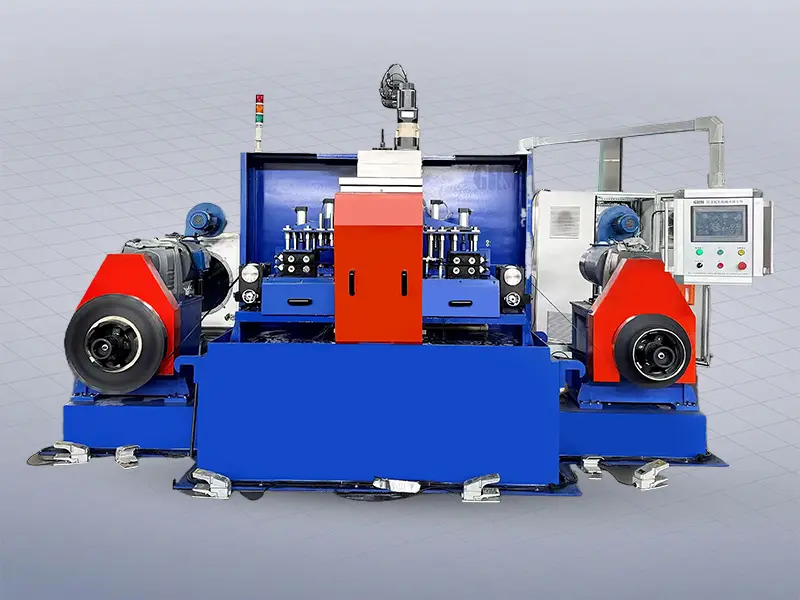
Table of Contents
- What Is a Four-High Rolling Mill?
- How Does a Four-High Rolling Mill Work?
- Key Components of a Four-High Rolling Mill
- Advantages of Using a Four-High Rolling Mill
- Applications Across Industries
- Comparison with Other Rolling Mills
- How to Choose the Right Four-High Rolling Mill?
- Why Choose GRM for Your Rolling Mill Needs?
- Maintenance and Operational Tips
- FAQ
What Is a Four-High Rolling Mill?
A Four-High Rolling Mill is a type of rolling mill that uses four rolls—two smaller working rolls and two larger backup rolls—to reduce the thickness of metal materials. This configuration allows for improved control over thickness and surface finish, especially when working with thin sheets.
- Two small diameter work rolls
- Two large diameter backup rolls
- High precision thickness control
- Reduced roll deflection
How Does a Four-High Rolling Mill Work?
The working principle of a Four-High Rolling Mill involves passing metal stock between two work rolls while backup rolls provide support to prevent bending. This setup ensures consistent thickness and high-quality output.
- Metal enters between work rolls
- Work rolls compress the material
- Backup rolls maintain structural stability
- Output achieves desired thickness
This design minimizes deformation and allows for precise rolling of thinner materials compared to traditional mills.
Key Components of a Four-High Rolling Mill
| Component | Function |
|---|---|
| Work Rolls | Directly contact and deform the metal |
| Backup Rolls | Provide support to prevent bending |
| Mill Housing | Supports the entire rolling structure |
| Drive System | Provides rotational force |
| Control System | Ensures precision and automation |
Advantages of Using a Four-High Rolling Mill
- High precision thickness control
- Reduced roll deflection
- Improved surface finish
- Ability to process thinner materials
- Enhanced production efficiency
Compared to two-high rolling mills, the Four-High Rolling Mill offers superior performance in handling delicate and thin materials.
Applications Across Industries
The Four-High Rolling Mill is widely used in multiple industries due to its versatility:
- Steel manufacturing
- Aluminum processing
- Copper and brass rolling
- Automotive industry
- Aerospace applications
- Electronics manufacturing
Its ability to produce high-quality thin sheets makes it essential in modern industrial applications.
Comparison with Other Rolling Mills
| Type | Roll Configuration | Advantages | Limitations |
|---|---|---|---|
| Two-High Rolling Mill | 2 rolls | Simple design | Limited precision |
| Three-High Rolling Mill | 3 rolls | Continuous rolling | Complex setup |
| Four-High Rolling Mill | 4 rolls | High precision, thin materials | Higher cost |
| Cluster Rolling Mill | Multiple rolls | Ultra-thin materials | Very complex |
How to Choose the Right Four-High Rolling Mill?
Selecting the right Four-High Rolling Mill involves evaluating several factors:
- Material type and thickness requirements
- Production capacity
- Automation level
- Energy efficiency
- Budget constraints
It is essential to partner with a reliable manufacturer like GRM to ensure optimal performance and long-term reliability.
Why Choose GRM for Your Rolling Mill Needs?
GRM is a trusted name in the rolling mill industry, known for its innovative engineering and high-quality manufacturing standards.
- Advanced technology integration
- Customizable solutions
- Global service support
- Competitive pricing
- Proven industry experience
Maintenance and Operational Tips
- Regular inspection of rolls
- Lubrication of moving parts
- Monitoring load conditions
- Calibration of control systems
- Timely replacement of worn components
Proper maintenance ensures long-term efficiency and reduces downtime.
FAQ
What is the main advantage of a Four-High Rolling Mill?
The main advantage is its ability to produce thin materials with high precision and minimal roll deflection.
Can a Four-High Rolling Mill handle different materials?
Yes, it is suitable for steel, aluminum, copper, and other metals.
How does it differ from a Two-High Rolling Mill?
A Four-High Rolling Mill uses backup rolls to support work rolls, allowing for better control and thinner outputs.
Is it suitable for high-volume production?
Yes, it is widely used in industrial-scale production due to its efficiency and consistency.
Why is GRM a preferred choice?
GRM offers advanced technology, customization, and reliable performance, making it a trusted partner.
Conclusion
The Four-High Rolling Mill stands as a cornerstone in modern metal processing, delivering unmatched precision, efficiency, and versatility. Whether you are in steel manufacturing, automotive production, or electronics, investing in the right rolling mill can significantly enhance your operational capabilities.
If you are looking for a reliable and high-performance solution, GRM offers industry-leading Four-High Rolling Mill systems tailored to your needs. Contact us today to explore how we can help optimize your production line and drive your business forward.