
- English
- Español
- Português
- русский
- Français
- 日本語
- Deutsch
- tiếng Việt
- Italiano
- Nederlands
- ภาษาไทย
- Polski
- 한국어
- Svenska
- magyar
- Malay
- বাংলা ভাষার
- Dansk
- Suomi
- हिन्दी
- Pilipino
- Türkçe
- Gaeilge
- العربية
- Indonesia
- Norsk
- تمل
- český
- ελληνικά
- український
- Javanese
- فارسی
- தமிழ்
- తెలుగు
- नेपाली
- Burmese
- български
- ລາວ
- Latine
- Қазақша
- Euskal
- Azərbaycan
- Slovenský jazyk
- Македонски
- Lietuvos
- Eesti Keel
- Română
- Slovenski
- मराठी
- Srpski језик
- Esperanto
- Afrikaans
- Català
- שפה עברית
- Cymraeg
- Galego
- Latviešu
- icelandic
- ייִדיש
- беларускі
- Hrvatski
- Kreyòl ayisyen
- Shqiptar
- Malti
- lugha ya Kiswahili
- አማርኛ
- Bosanski
- Frysk
- ភាសាខ្មែរ
- ქართული
- ગુજરાતી
- Hausa
- Кыргыз тили
- ಕನ್ನಡ
- Corsa
- Kurdî
- മലയാളം
- Maori
- Монгол хэл
- Hmong
- IsiXhosa
- Zulu
- Yoruba
- অসমীয়া
- ଓଡିଆ
- Punjabi
- پښتو
- Chichewa
- Samoa
- Sesotho
- සිංහල
- Gàidhlig
- Cebuano
- Somali
- Тоҷикӣ
- O'zbek
- Hawaiian
- سنڌي
- Shinra
- Հայերեն
- Igbo
- Sundanese
- Lëtzebuergesch
- Malagasy

What Are Coil Pay-Off Systems and How Do They Benefit Manufacturing Processes
Summary: In this comprehensive blog post, we explore Coil Pay-Off Systems, their importance in the manufacturing process, and how they enhance production efficiency. We will discuss the components of these systems, their applications, and the key factors to consider when selecting the right system for your operations. Whether you're involved in metalworking, rolling mills, or wire production, this blog will provide you with valuable insights into Coil Pay-Off Systems.
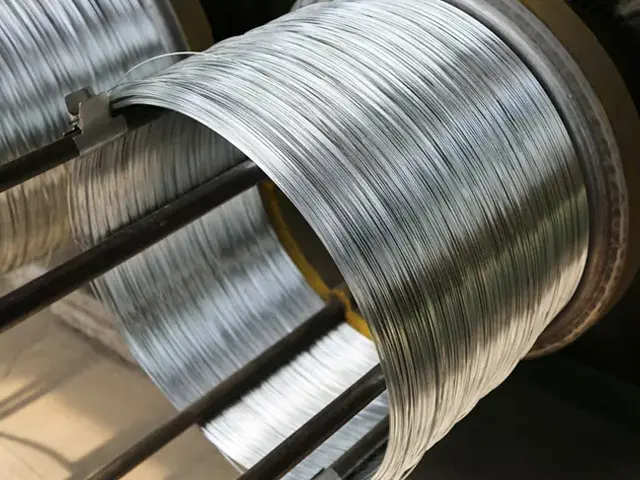
Table of Contents
- Introduction to Coil Pay-Off Systems
- Key Components of Coil Pay-Off Systems
- How Coil Pay-Off Systems Work
- Benefits of Coil Pay-Off Systems
- Applications of Coil Pay-Off Systems
- Factors to Consider When Choosing a Coil Pay-Off System
- Frequently Asked Questions (FAQ)
Introduction to Coil Pay-Off Systems
Coil Pay-Off Systems are an essential component in various manufacturing processes, particularly in industries involving metalworking and wire production. These systems are designed to facilitate the unwinding of coils, ensuring smooth material flow and maintaining tension control throughout the production process. They are used to unwind coils of materials such as metal strips, wire, and cable, which are often fed into rolling mills, drawing machines, or other production equipment.
Key Components of Coil Pay-Off Systems
The functionality of Coil Pay-Off Systems relies on several key components:
- Pay-Off Stand: This is the central unit that holds the coil and ensures it is unwound smoothly without damaging the material.
- Tension Control System: A tension control system ensures that the material is fed with the correct amount of tension to prevent issues like slacking or over-tightening.
- Drive Mechanism: A motorized drive mechanism helps to feed the coil material at a controlled speed.
- Guide Rolls: These rolls direct the material as it unwinds, preventing misalignment and guiding it to the next process in the manufacturing line.
- Coil Support Arms: These arms are used to support the coil and keep it stable during the unwinding process.
How Coil Pay-Off Systems Work
The basic operation of a Coil Pay-Off System is quite simple yet crucial for the efficiency of the manufacturing process. Here's how it works:
- The coil is loaded onto the pay-off stand.
- The tension control system monitors the unwinding process and adjusts the tension as required.
- The material is unwound from the coil and directed through the guide rolls.
- The material then passes through further processing machinery, such as rolling mills or drawing machines.
- Finally, the coil material is processed into its final form, ready for the next stage of manufacturing or shipment.
Benefits of Coil Pay-Off Systems
Coil Pay-Off Systems offer several advantages to manufacturing operations:
- Enhanced Efficiency: These systems allow for continuous and smooth material feed, reducing downtime and improving overall production efficiency.
- Tension Control: Proper tension control prevents material damage, ensuring consistent quality throughout the production process.
- Reduced Labor Costs: Automated coil feeding reduces the need for manual labor, freeing up operators for other tasks.
- Improved Safety: Coil Pay-Off Systems help reduce the risks associated with manual handling of heavy coils and materials.
- Minimized Material Waste: By controlling the unwinding process, these systems help reduce the chances of material waste due to incorrect handling.
Applications of Coil Pay-Off Systems
Coil Pay-Off Systems are used in a variety of industries, including:
- Rolling Mills: They are commonly used in rolling mills to feed metal coils into rolling machines.
- Wire Production: In the wire manufacturing process, these systems unwind coils of wire to be drawn or processed further.
- Tube and Pipe Manufacturing: These systems are also used in the production of pipes and tubes, where the coil material must be fed into forming equipment.
- Automotive Manufacturing: In automotive production lines, these systems are used to supply material for welding and other processes.
- Steel and Aluminum Industries: Coil Pay-Off Systems are crucial in the steel and aluminum industries, where they feed material into processing machines such as slitting lines or extrusion presses.
Factors to Consider When Choosing a Coil Pay-Off System
When selecting a Coil Pay-Off System, several factors should be considered:
| Consideration | Description |
|---|---|
| Material Type | The type of material being unwound (metal, wire, etc.) will affect the design and specifications of the system. |
| Coil Size | Consider the diameter, weight, and width of the coils to ensure compatibility with the pay-off system. |
| Tension Control Requirements | Determine the level of tension control needed based on the material and application. |
| Automation Level | Decide if the system needs to be fully automated or if semi-automation will suffice for your operations. |
| Maintenance and Support | Choose a system that offers easy maintenance and reliable support from the manufacturer. |
Frequently Asked Questions (FAQ)
- What is the role of a Coil Pay-Off System in manufacturing?
- A Coil Pay-Off System helps to unwind coils of material in a controlled manner, ensuring a smooth and consistent feed into the production process.
- What industries use Coil Pay-Off Systems?
- Industries such as metalworking, wire production, tube and pipe manufacturing, automotive production, and the steel and aluminum industries use Coil Pay-Off Systems.
- How does tension control work in these systems?
- The tension control system maintains the appropriate tension as the coil unwinds, preventing over-tightening or slacking that could damage the material or disrupt production.
- Can Coil Pay-Off Systems handle large coils?
- Yes, Coil Pay-Off Systems are designed to accommodate large coils, but the system specifications need to be selected based on the size and weight of the coils being processed.
At GRM, we provide advanced Coil Pay-Off Systems that are tailored to meet the specific needs of your manufacturing process. Our systems offer exceptional performance, reliability, and efficiency, ensuring that your production line runs smoothly. Contact us today to learn more about how we can help optimize your operations with our state-of-the-art Coil Pay-Off Systems.