
- English
- Español
- Português
- русский
- Français
- 日本語
- Deutsch
- tiếng Việt
- Italiano
- Nederlands
- ภาษาไทย
- Polski
- 한국어
- Svenska
- magyar
- Malay
- বাংলা ভাষার
- Dansk
- Suomi
- हिन्दी
- Pilipino
- Türkçe
- Gaeilge
- العربية
- Indonesia
- Norsk
- تمل
- český
- ελληνικά
- український
- Javanese
- فارسی
- தமிழ்
- తెలుగు
- नेपाली
- Burmese
- български
- ລາວ
- Latine
- Қазақша
- Euskal
- Azərbaycan
- Slovenský jazyk
- Македонски
- Lietuvos
- Eesti Keel
- Română
- Slovenski
- मराठी
- Srpski језик
- Esperanto
- Afrikaans
- Català
- שפה עברית
- Cymraeg
- Galego
- Latviešu
- icelandic
- ייִדיש
- беларускі
- Hrvatski
- Kreyòl ayisyen
- Shqiptar
- Malti
- lugha ya Kiswahili
- አማርኛ
- Bosanski
- Frysk
- ភាសាខ្មែរ
- ქართული
- ગુજરાતી
- Hausa
- Кыргыз тили
- ಕನ್ನಡ
- Corsa
- Kurdî
- മലയാളം
- Maori
- Монгол хэл
- Hmong
- IsiXhosa
- Zulu
- Yoruba
- অসমীয়া
- ଓଡିଆ
- Punjabi
- پښتو
- Chichewa
- Samoa
- Sesotho
- සිංහල
- Gàidhlig
- Cebuano
- Somali
- Тоҷикӣ
- O'zbek
- Hawaiian
- سنڌي
- Shinra
- Հայերեն
- Igbo
- Sundanese
- Lëtzebuergesch
- Malagasy

What is a Twenty-High Rolling Mill and How Does It Benefit Modern Manufacturing
Abstract: In the world of metalworking, rolling mills are crucial for producing high-quality materials. Among these, the Twenty-High Rolling Mill stands out due to its advanced technology and ability to process a wide range of materials with improved precision. This blog explores what a Twenty-High Rolling Mill is, its advantages, the technology behind it, and why GRM’s Twenty-High Rolling Mills are a game-changer in modern manufacturing.
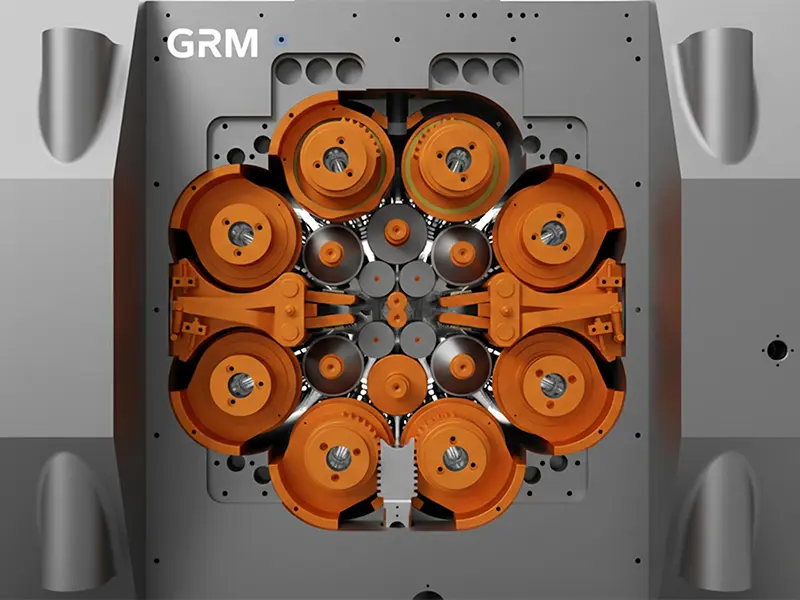
Table of Contents
Introduction
A rolling mill is a critical tool in the production of materials, especially in the metalworking industry. Among the various types, the Twenty-High Rolling Mill offers significant advantages in terms of processing efficiency and product quality. This mill configuration, which includes 20 rolls, is used for reducing thickness and achieving precision in materials such as steel and non-ferrous metals. GRM, a leader in rolling mill technology, offers advanced Twenty-High Rolling Mills that are highly regarded in the manufacturing sector.
How Does a Twenty-High Rolling Mill Work?
The design of a Twenty-High Rolling Mill is specifically made for materials that require a high degree of precision in their thickness. The mill features a series of 20 rolls stacked in a way that ensures more efficient compression and reduction of material thickness.
In a typical configuration, the mill includes a set of two work rolls, surrounded by multiple smaller rolls known as "intermediate" or "backup" rolls. These rolls work together to exert force on the material, reducing its thickness while ensuring uniformity.
Advantages of Using a Twenty-High Rolling Mill
- Increased Precision: The 20-roll configuration allows for exceptional control over the material thickness, ensuring high-quality products.
- Enhanced Efficiency: By using multiple rolls, the mill can process materials faster and with less energy consumption compared to traditional mills.
- Better Surface Finish: The precise control over the material leads to a smoother finish on the processed metal, making it ideal for applications where surface quality is important.
- Cost Savings: Due to its efficiency and precision, a Twenty-High Rolling Mill can reduce production costs, which can be passed on to customers.
The Technology Behind the Twenty-High Rolling Mill
The innovative design of the Twenty-High Rolling Mill is what sets it apart. One of the key technological advancements is the use of multiple rolls, which work together to minimize the need for heavy pressure. The result is a mill that can achieve high reduction rates without compromising the quality of the material.
GRM’s Twenty-High Rolling Mills incorporate cutting-edge technology such as automatic control systems and precise roll gap adjustments. These features enable manufacturers to achieve tighter tolerances and more consistent product quality throughout the production process.
Applications of a Twenty-High Rolling Mill
Twenty-High Rolling Mills are used across a variety of industries, including:
- Steel Manufacturing: For producing high-quality steel strips and sheets.
- Non-Ferrous Metals: Used for aluminum, copper, and other non-ferrous metals that require precise thickness reduction.
- Automotive Industry: For producing components that require high surface finish and tight tolerances.
- Electronics: Used in the production of thin metal sheets for various electronic devices.
FAQ
1. What are the key features of a Twenty-High Rolling Mill?
The key features include its 20-roll configuration, high precision in thickness reduction, and the ability to process a wide range of materials with a superior surface finish. GRM’s models are designed with advanced automation and control systems for optimal performance.
2. How does a Twenty-High Rolling Mill differ from other rolling mills?
The primary difference is the number of rolls. While traditional rolling mills may only have a few rolls, the Twenty-High Rolling Mill uses 20 rolls to ensure greater efficiency, better precision, and a smoother finish on materials.
3. What materials can be processed using a Twenty-High Rolling Mill?
These mills are ideal for steel and non-ferrous metals such as aluminum, copper, and alloys. They can handle both thick and thin materials, making them versatile for various industrial applications.
4. How can I choose the right rolling mill for my business?
When selecting a rolling mill, consider factors such as the type of material you will be processing, the required precision, and your production volume. GRM offers customized solutions to meet specific industry needs.
Conclusion
The Twenty-High Rolling Mill is an essential tool for modern manufacturing, providing precision, efficiency, and cost savings. GRM’s innovative approach to mill design ensures that their Twenty-High Rolling Mills are some of the best in the industry. Whether you’re in the steel, non-ferrous metal, or automotive industry, a Twenty-High Rolling Mill can enhance your production processes.
If you’re looking for high-performance rolling mills that meet your specific needs, contact us today and let GRM help you find the perfect solution for your business!