
- English
- Español
- Português
- русский
- Français
- 日本語
- Deutsch
- tiếng Việt
- Italiano
- Nederlands
- ภาษาไทย
- Polski
- 한국어
- Svenska
- magyar
- Malay
- বাংলা ভাষার
- Dansk
- Suomi
- हिन्दी
- Pilipino
- Türkçe
- Gaeilge
- العربية
- Indonesia
- Norsk
- تمل
- český
- ελληνικά
- український
- Javanese
- فارسی
- தமிழ்
- తెలుగు
- नेपाली
- Burmese
- български
- ລາວ
- Latine
- Қазақша
- Euskal
- Azərbaycan
- Slovenský jazyk
- Македонски
- Lietuvos
- Eesti Keel
- Română
- Slovenski
- मराठी
- Srpski језик
- Esperanto
- Afrikaans
- Català
- שפה עברית
- Cymraeg
- Galego
- Latviešu
- icelandic
- ייִדיש
- беларускі
- Hrvatski
- Kreyòl ayisyen
- Shqiptar
- Malti
- lugha ya Kiswahili
- አማርኛ
- Bosanski
- Frysk
- ភាសាខ្មែរ
- ქართული
- ગુજરાતી
- Hausa
- Кыргыз тили
- ಕನ್ನಡ
- Corsa
- Kurdî
- മലയാളം
- Maori
- Монгол хэл
- Hmong
- IsiXhosa
- Zulu
- Yoruba
- অসমীয়া
- ଓଡିଆ
- Punjabi
- پښتو
- Chichewa
- Samoa
- Sesotho
- සිංහල
- Gàidhlig
- Cebuano
- Somali
- Тоҷикӣ
- O'zbek
- Hawaiian
- سنڌي
- Shinra
- Հայերեն
- Igbo
- Sundanese
- Lëtzebuergesch
- Malagasy

How Does a Photovoltaic Welding Strip Rolling Mill Improve Efficiency and Quality in Solar Panel Production
The Photovoltaic Welding Strip Rolling Mill has become a vital piece of equipment in the solar panel manufacturing industry. With the rapid growth of renewable energy, understanding how this machine operates and enhances production efficiency is essential. GRM, a leading manufacturer of rolling mills, provides advanced solutions tailored for photovoltaic welding strips. This article explores the key features, benefits, operational mechanisms, and industry applications of the Photovoltaic Welding Strip Rolling Mill.
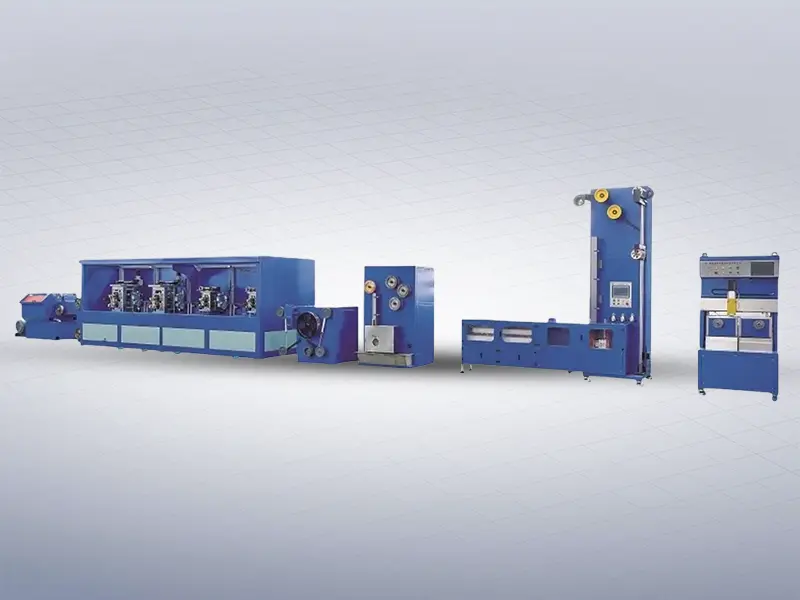
Table of Contents
Introduction to Photovoltaic Welding Strip Rolling Mill
The Photovoltaic Welding Strip Rolling Mill is specifically designed for processing thin metallic strips used in solar cells. These strips are crucial in connecting photovoltaic cells to form a functional solar panel. GRM's rolling mill technology ensures precision, consistency, and reliability in manufacturing.
With renewable energy demands soaring globally, the need for high-quality photovoltaic welding strips is greater than ever. GRM's expertise in rolling mills supports solar panel manufacturers in meeting production targets while maintaining product integrity.
Working Principle
The working principle of a Photovoltaic Welding Strip Rolling Mill involves continuous processing of metallic strips to achieve uniform thickness, smooth surfaces, and precise dimensions suitable for welding in photovoltaic cells.
- Metal strip feeding system for accurate alignment
- Rolling mechanism to compress and shape the strip
- Cooling and tension control to maintain dimensional stability
- Output system for collection and packaging
GRM's rolling mills integrate advanced automation systems, ensuring minimal human error and maximum operational efficiency.
Key Features
| Feature | Description | Advantage |
|---|---|---|
| High Precision Rollers | Ensures uniform strip thickness | Improves weld quality in photovoltaic cells |
| Automated Tension Control | Maintains consistent strip tension | Reduces material waste and defects |
| Fast Processing Speed | Handles high-volume production efficiently | Boosts overall productivity |
| Durable Construction | Robust materials for long-term use | Minimizes maintenance downtime |
Benefits of Using GRM Rolling Mills
- Enhanced welding strip quality for reliable solar panel performance
- Reduced production downtime with automated control systems
- Energy-efficient operation minimizing operational costs
- Scalable solutions for both small and large photovoltaic manufacturing plants
- Compliance with international quality standards, ensuring market competitiveness
Industry Applications
Photovoltaic Welding Strip Rolling Mills are widely applied in the renewable energy sector. Key applications include:
- Solar cell manufacturing lines for monocrystalline and polycrystalline cells
- Photovoltaic module assembly plants requiring high-quality interconnects
- Research and development laboratories for new solar technologies
- Custom metal strip processing for specialized photovoltaic applications
Technical Specifications
| Parameter | Specification | Remarks |
|---|---|---|
| Strip Width | 2-20 mm | Customizable for different photovoltaic cells |
| Thickness Range | 0.1-0.5 mm | High-precision processing for welding quality |
| Production Speed | 30-100 m/min | Adjustable depending on material type |
| Power Supply | 380V / 50Hz | Standard industrial power input |
| Automation Level | PLC controlled | Enables intelligent operation and minimal manual intervention |
Frequently Asked Questions (FAQ)
What materials can the Photovoltaic Welding Strip Rolling Mill process?
GRM rolling mills can handle various conductive metals like copper and aluminum strips, commonly used in photovoltaic cells.
Is the machine suitable for both small and large-scale production?
Yes, the rolling mill is scalable and can adapt to both laboratory-scale production and full industrial lines.
How does the rolling mill improve solar panel efficiency?
By producing precise and uniform strips, the mill ensures better electrical conductivity and reduces resistive losses, enhancing overall solar panel performance.
What maintenance is required?
Routine lubrication, roller inspection, and tension calibration are recommended to maintain optimal performance and prolong machine life.
Does GRM provide after-sales support?
Yes, GRM offers comprehensive after-sales services including installation guidance, technical training, and spare parts supply.
Conclusion
The Photovoltaic Welding Strip Rolling Mill is an indispensable tool for modern solar panel manufacturers. Its high precision, automation, and efficiency make it a strategic investment for producing reliable and high-quality photovoltaic welding strips. GRM's commitment to innovation ensures that these rolling mills meet international standards while delivering exceptional performance. For more details on how GRM can help optimize your solar panel production, contact us today to discuss your requirements and receive expert guidance.