
- English
- Español
- Português
- русский
- Français
- 日本語
- Deutsch
- tiếng Việt
- Italiano
- Nederlands
- ภาษาไทย
- Polski
- 한국어
- Svenska
- magyar
- Malay
- বাংলা ভাষার
- Dansk
- Suomi
- हिन्दी
- Pilipino
- Türkçe
- Gaeilge
- العربية
- Indonesia
- Norsk
- تمل
- český
- ελληνικά
- український
- Javanese
- فارسی
- தமிழ்
- తెలుగు
- नेपाली
- Burmese
- български
- ລາວ
- Latine
- Қазақша
- Euskal
- Azərbaycan
- Slovenský jazyk
- Македонски
- Lietuvos
- Eesti Keel
- Română
- Slovenski
- मराठी
- Srpski језик
- Esperanto
- Afrikaans
- Català
- שפה עברית
- Cymraeg
- Galego
- Latviešu
- icelandic
- ייִדיש
- беларускі
- Hrvatski
- Kreyòl ayisyen
- Shqiptar
- Malti
- lugha ya Kiswahili
- አማርኛ
- Bosanski
- Frysk
- ភាសាខ្មែរ
- ქართული
- ગુજરાતી
- Hausa
- Кыргыз тили
- ಕನ್ನಡ
- Corsa
- Kurdî
- മലയാളം
- Maori
- Монгол хэл
- Hmong
- IsiXhosa
- Zulu
- Yoruba
- অসমীয়া
- ଓଡିଆ
- Punjabi
- پښتو
- Chichewa
- Samoa
- Sesotho
- සිංහල
- Gàidhlig
- Cebuano
- Somali
- Тоҷикӣ
- O'zbek
- Hawaiian
- سنڌي
- Shinra
- Հայերեն
- Igbo
- Sundanese
- Lëtzebuergesch
- Malagasy

How Can PV Ribbon Rolling Mills Improve Solar Cell Manufacturing Efficiency and Quality
PV Ribbon Rolling Mills are essential precision processing equipment for producing high-quality photovoltaic ribbons. As a professional rolling equipment provider, GRM develops advanced PV Ribbon Rolling Mills designed to enhance ribbon thickness accuracy, surface quality, and production stability for solar manufacturers worldwide.
The rapid expansion of solar energy has increased the demand for reliable photovoltaic components, especially high-performance PV ribbons used in solar cell interconnection. PV Ribbon Rolling Mills play a critical role in controlling ribbon thickness, width, mechanical strength, and electrical performance. This article explains the working principles, technical advantages, production applications, and purchasing considerations of PV Ribbon Rolling Mills, helping manufacturers understand how precision rolling technology supports efficient solar production.
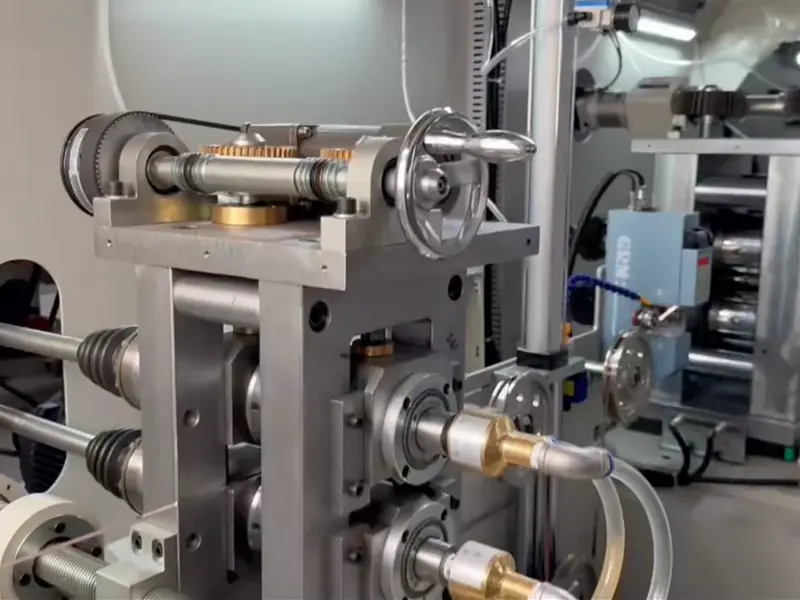
Table of Contents
- What Are PV Ribbon Rolling Mills?
- How Do PV Ribbon Rolling Mills Work?
- What Are the Key Advantages of PV Ribbon Rolling Mills?
- Technical Parameters of PV Ribbon Rolling Mills
- Applications of PV Ribbon Rolling Mills in Solar Manufacturing
- How to Choose the Right PV Ribbon Rolling Mills?
- Frequently Asked Questions About PV Ribbon Rolling Mills
- Conclusion
What Are PV Ribbon Rolling Mills?
PV Ribbon Rolling Mills are specialized machines used to manufacture photovoltaic ribbons by precisely reducing the thickness of copper-based materials coated with tin or other conductive materials. These ribbons are widely used in solar photovoltaic modules as electrical connectors between solar cells.
Unlike traditional metal rolling equipment, PV Ribbon Rolling Mills require extremely high precision because photovoltaic ribbons directly influence solar module efficiency, welding performance, and long-term reliability. Modern rolling systems integrate advanced mechanical structures, automatic control technology, and precision adjustment mechanisms to achieve stable production.
The main functions of PV Ribbon Rolling Mills include:
- High-precision thickness reduction of photovoltaic ribbon materials.
- Uniform ribbon width control for consistent solar cell welding.
- Improved surface smoothness to enhance soldering performance.
- Stable continuous operation for large-scale photovoltaic production.
- Reduced material waste through accurate rolling control.
How Do PV Ribbon Rolling Mills Work?
PV Ribbon Rolling Mills operate through a controlled metal deformation process. Raw copper wire or strip material passes through precision rollers, where controlled pressure gradually reduces the thickness while maintaining the required width and mechanical properties.
The rolling process typically includes several important stages:
- Material Feeding: The copper substrate enters the rolling system through an automatic feeding mechanism.
- Precision Rolling: Multiple roller stages apply controlled pressure to achieve the target thickness.
- Thickness Monitoring: Sensors continuously monitor material dimensions and adjust parameters automatically.
- Surface Finishing: The ribbon receives optimized surface treatment for better photovoltaic welding performance.
- Collection and Inspection: Finished ribbons are collected and inspected to ensure quality consistency.
Through intelligent control and precision mechanical design, PV Ribbon Rolling Mills help manufacturers maintain stable output while meeting strict photovoltaic industry standards.
What Are the Key Advantages of PV Ribbon Rolling Mills?
High-quality PV Ribbon Rolling Mills provide significant benefits for solar manufacturers looking to improve production efficiency and product reliability.
| Advantage | Description |
|---|---|
| High Precision Rolling | Advanced roller systems ensure accurate thickness and width control, improving photovoltaic ribbon consistency. |
| Stable Production Performance | Designed for continuous operation with reduced vibration and improved production stability. |
| Material Saving | Precise deformation control reduces raw material loss and improves utilization efficiency. |
| Improved Solar Module Quality | Uniform ribbons support reliable welding connections and enhance module performance. |
| Easy Operation | Intelligent control systems simplify parameter adjustment and production management. |
For solar manufacturers, investing in advanced PV Ribbon Rolling Mills means achieving better product consistency while reducing manufacturing costs.
Technical Parameters of PV Ribbon Rolling Mills
The performance of PV Ribbon Rolling Mills depends on multiple technical factors, including rolling accuracy, production speed, material compatibility, and automation level. Typical specifications include:
| Parameter | Typical Specification | Production Benefit |
|---|---|---|
| Rolling Material | Copper wire, copper strip, photovoltaic ribbon materials | Suitable for different solar manufacturing requirements |
| Thickness Accuracy | High precision micron-level control | Ensures stable electrical performance |
| Rolling Speed | Adjustable according to production requirements | Supports efficient mass production |
| Control System | PLC and intelligent monitoring system | Improves operation efficiency |
| Production Mode | Continuous automatic rolling | Reduces manual intervention |
When selecting equipment, manufacturers should evaluate production capacity, required ribbon specifications, automation requirements, and long-term maintenance support.
Applications of PV Ribbon Rolling Mills in Solar Manufacturing
PV Ribbon Rolling Mills are widely applied in photovoltaic production industries where precise conductive materials are required. Their major applications include:
- Solar Cell Interconnection: Producing ribbons used for connecting individual solar cells inside photovoltaic modules.
- Solar Module Manufacturing: Supporting large-scale production of crystalline silicon solar panels.
- Photovoltaic Component Production: Manufacturing conductive materials with consistent electrical properties.
- Renewable Energy Equipment Manufacturing: Providing precision ribbon materials for next-generation solar technologies.
With increasing global demand for renewable energy, PV Ribbon Rolling Mills have become an important investment for photovoltaic manufacturers seeking higher efficiency and stronger market competitiveness.
How to Choose the Right PV Ribbon Rolling Mills?
Choosing suitable PV Ribbon Rolling Mills requires careful consideration of production requirements and equipment quality. Manufacturers should focus on the following factors:
- Rolling Accuracy: Higher precision ensures better photovoltaic ribbon quality.
- Equipment Stability: Reliable mechanical structures reduce downtime during continuous production.
- Automation Capability: Intelligent control improves efficiency and reduces operating complexity.
- Technical Support: Professional after-sales service helps maintain long-term equipment performance.
- Customization Options: Flexible solutions allow equipment adaptation to different production specifications.
Working with an experienced PV Ribbon Rolling Mills supplier can help companies achieve better production results and improve overall manufacturing efficiency.
Frequently Asked Questions About PV Ribbon Rolling Mills
1. What materials can PV Ribbon Rolling Mills process?
PV Ribbon Rolling Mills are mainly designed for copper-based photovoltaic materials, including copper wire and copper strip used for solar cell interconnection. Some systems can also support customized conductive materials according to production requirements.
2. Why is precision important for PV Ribbon Rolling Mills?
Precision directly affects photovoltaic ribbon thickness, welding quality, electrical conductivity, and solar module reliability. Accurate rolling helps manufacturers maintain consistent product performance and reduce production defects.
3. How can PV Ribbon Rolling Mills improve solar manufacturing efficiency?
By providing continuous automatic operation, accurate material control, and reduced material waste, PV Ribbon Rolling Mills help manufacturers increase productivity while maintaining high-quality photovoltaic ribbon output.
Conclusion
PV Ribbon Rolling Mills are a key technology for modern photovoltaic manufacturing, providing the precision, stability, and efficiency required for high-quality solar ribbon production. As the renewable energy industry continues to expand, advanced rolling solutions will play an increasingly important role in improving solar module performance and manufacturing competitiveness.
If you are looking for reliable PV Ribbon Rolling Mills with excellent precision, stable performance, and professional technical support, please contact us today. Our team can provide customized solutions based on your production requirements and help optimize your photovoltaic manufacturing process.