
- English
- Español
- Português
- русский
- Français
- 日本語
- Deutsch
- tiếng Việt
- Italiano
- Nederlands
- ภาษาไทย
- Polski
- 한국어
- Svenska
- magyar
- Malay
- বাংলা ভাষার
- Dansk
- Suomi
- हिन्दी
- Pilipino
- Türkçe
- Gaeilge
- العربية
- Indonesia
- Norsk
- تمل
- český
- ελληνικά
- український
- Javanese
- فارسی
- தமிழ்
- తెలుగు
- नेपाली
- Burmese
- български
- ລາວ
- Latine
- Қазақша
- Euskal
- Azərbaycan
- Slovenský jazyk
- Македонски
- Lietuvos
- Eesti Keel
- Română
- Slovenski
- मराठी
- Srpski језик
- Esperanto
- Afrikaans
- Català
- שפה עברית
- Cymraeg
- Galego
- Latviešu
- icelandic
- ייִדיש
- беларускі
- Hrvatski
- Kreyòl ayisyen
- Shqiptar
- Malti
- lugha ya Kiswahili
- አማርኛ
- Bosanski
- Frysk
- ភាសាខ្មែរ
- ქართული
- ગુજરાતી
- Hausa
- Кыргыз тили
- ಕನ್ನಡ
- Corsa
- Kurdî
- മലയാളം
- Maori
- Монгол хэл
- Hmong
- IsiXhosa
- Zulu
- Yoruba
- অসমীয়া
- ଓଡିଆ
- Punjabi
- پښتو
- Chichewa
- Samoa
- Sesotho
- සිංහල
- Gàidhlig
- Cebuano
- Somali
- Тоҷикӣ
- O'zbek
- Hawaiian
- سنڌي
- Shinra
- Հայերեն
- Igbo
- Sundanese
- Lëtzebuergesch
- Malagasy

How Can an Electromagnetic Wire Rolling Mill Revolutionize Modern Wire Production
Article Summary: The Electromagnetic Wire Rolling Mill has become a game-changer in the metal processing industry. GRM’s innovative design enhances wire quality, increases production efficiency, and reduces energy consumption. This article explores its working principle, advantages, types, maintenance tips, applications, and key considerations for modern wire manufacturers.
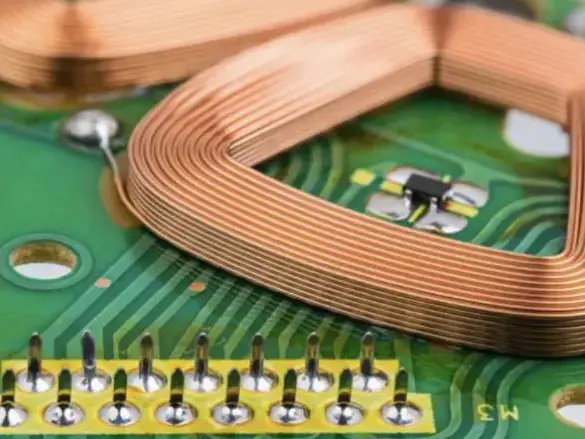
Table of Contents
- Introduction to Electromagnetic Wire Rolling Mill
- Working Principle of Electromagnetic Wire Rolling Mill
- Types of Electromagnetic Wire Rolling Mills
- Advantages of Using GRM Electromagnetic Wire Rolling Mill
- Applications in Modern Industry
- Maintenance and Operational Tips
- Selection Guidelines for Manufacturers
- FAQ About Electromagnetic Wire Rolling Mill
- Conclusion and Contact
Introduction to Electromagnetic Wire Rolling Mill
The Electromagnetic Wire Rolling Mill is a state-of-the-art machine designed for high-speed, high-precision wire production. Unlike traditional mechanical rolling mills, GRM’s electromagnetic wire rolling mills utilize electromagnetic forces to drive the rolling process, achieving smoother surfaces, consistent wire diameter, and reduced mechanical wear.
With increasing demand for high-quality wires in sectors like automotive, electronics, construction, and telecommunications, electromagnetic rolling technology has become a preferred choice for modern manufacturers. GRM has been at the forefront of this innovation, offering solutions tailored to diverse industrial needs.
Working Principle of Electromagnetic Wire Rolling Mill
Electromagnetic wire rolling mills operate based on Faraday’s law of electromagnetic induction. Instead of using conventional motor-driven rolls, this technology uses an electromagnetic field to generate rolling force. The core components include:
- Electromagnetic coils
- Rotary or linear actuators
- Precision-controlled rolling dies
- Advanced cooling and lubrication system
When the coil is energized, it creates a dynamic magnetic field that interacts with the conductive metal wire. This interaction produces a controlled rolling motion that precisely shapes the wire while minimizing friction and mechanical strain.
Types of Electromagnetic Wire Rolling Mills
GRM offers several types of electromagnetic wire rolling mills to meet various production requirements:
| Type | Key Features | Best Applications |
|---|---|---|
| Single-Stand Mill | Compact, easy maintenance, high precision | Small wire batches, specialty wires |
| Multi-Stand Continuous Mill | High-speed production, consistent diameter control | Automotive wires, electrical wires |
| Precision Fine Wire Mill | Ultra-fine wire production, minimal surface defects | Electronic components, medical devices |
Advantages of Using GRM Electromagnetic Wire Rolling Mill
Investing in a GRM Electromagnetic Wire Rolling Mill offers numerous advantages over traditional mechanical rolling mills:
- High Efficiency: Electromagnetic forces enable faster rolling speeds with less energy consumption.
- Improved Wire Quality: Consistent diameter and smooth surface reduce defects.
- Reduced Maintenance: Fewer mechanical components lead to lower wear and tear.
- Flexibility: Capable of producing a wide range of wire sizes and materials.
- Eco-Friendly: Energy-efficient operation and reduced lubricant usage contribute to sustainability.
Applications in Modern Industry
The Electromagnetic Wire Rolling Mill is suitable for a variety of industrial sectors:
- Automotive industry: High-strength wires for engines, brakes, and suspension systems.
- Electrical industry: Copper and aluminum wires for power transmission.
- Telecommunications: Fine wires for fiber optic and data cables.
- Construction: Reinforcing wires and mesh materials.
- Medical industry: Precision wires for surgical instruments and devices.
Maintenance and Operational Tips
Proper maintenance ensures long-term performance and reliability of GRM Electromagnetic Wire Rolling Mills:
- Regular inspection of electromagnetic coils and control systems.
- Cleaning and lubrication of rolling dies.
- Monitoring cooling system for optimal temperature.
- Calibration checks to maintain precise wire diameters.
- Employee training to handle emergency shutdowns safely.
Selection Guidelines for Manufacturers
Choosing the right electromagnetic wire rolling mill depends on production needs and material types:
| Factor | Consideration | Recommendation |
|---|---|---|
| Wire Material | Copper, aluminum, steel, specialty alloys | Select mill with compatible electromagnetic specifications |
| Production Volume | High-speed vs. batch production | Multi-stand mill for high volume, single-stand for smaller batches |
| Precision Requirement | Diameter tolerance and surface quality | Fine wire mills for tight tolerances |
| Energy Efficiency | Operational costs and sustainability | Electromagnetic drive reduces energy consumption |
FAQ About Electromagnetic Wire Rolling Mill
What is an electromagnetic wire rolling mill?
It is a wire production machine that uses electromagnetic forces instead of traditional mechanical rolls to shape and size metal wires with high precision.
How does it improve wire quality?
The electromagnetic process reduces mechanical stress, ensures uniform diameter, and produces a smoother surface finish compared to conventional rolling mills.
Which materials can be processed?
Common materials include copper, aluminum, steel, and specialty alloys. GRM’s design allows flexibility for various metal types.
Is it energy efficient?
Yes, electromagnetic rolling uses less energy than traditional mechanical systems while maintaining high-speed production.
What maintenance is required?
Periodic inspection of coils, control systems, rolling dies, cooling systems, and calibration checks are recommended for optimal performance.
Conclusion and Contact
GRM’s Electromagnetic Wire Rolling Mill represents the forefront of modern wire manufacturing technology. Its precision, efficiency, and versatility make it an indispensable asset for industries requiring high-quality wire production. Whether producing automotive wires, fine electronic wires, or construction materials, GRM ensures reliable performance and long-term operational savings. To explore how GRM’s Electromagnetic Wire Rolling Mill can enhance your manufacturing process, contact us today for personalized solutions and expert consultation.