
- English
- Español
- Português
- русский
- Français
- 日本語
- Deutsch
- tiếng Việt
- Italiano
- Nederlands
- ภาษาไทย
- Polski
- 한국어
- Svenska
- magyar
- Malay
- বাংলা ভাষার
- Dansk
- Suomi
- हिन्दी
- Pilipino
- Türkçe
- Gaeilge
- العربية
- Indonesia
- Norsk
- تمل
- český
- ελληνικά
- український
- Javanese
- فارسی
- தமிழ்
- తెలుగు
- नेपाली
- Burmese
- български
- ລາວ
- Latine
- Қазақша
- Euskal
- Azərbaycan
- Slovenský jazyk
- Македонски
- Lietuvos
- Eesti Keel
- Română
- Slovenski
- मराठी
- Srpski језик
- Esperanto
- Afrikaans
- Català
- שפה עברית
- Cymraeg
- Galego
- Latviešu
- icelandic
- ייִדיש
- беларускі
- Hrvatski
- Kreyòl ayisyen
- Shqiptar
- Malti
- lugha ya Kiswahili
- አማርኛ
- Bosanski
- Frysk
- ភាសាខ្មែរ
- ქართული
- ગુજરાતી
- Hausa
- Кыргыз тили
- ಕನ್ನಡ
- Corsa
- Kurdî
- മലയാളം
- Maori
- Монгол хэл
- Hmong
- IsiXhosa
- Zulu
- Yoruba
- অসমীয়া
- ଓଡିଆ
- Punjabi
- پښتو
- Chichewa
- Samoa
- Sesotho
- සිංහල
- Gàidhlig
- Cebuano
- Somali
- Тоҷикӣ
- O'zbek
- Hawaiian
- سنڌي
- Shinra
- Հայերեն
- Igbo
- Sundanese
- Lëtzebuergesch
- Malagasy

How Can a Rewinding Machine Transform Your Manufacturing Efficiency
Article Summary: Rewinding machines have become an essential component in modern manufacturing, particularly in the fields of metal processing, paper production, and wire industries. This comprehensive guide will explore the functionalities, benefits, applications, and technical specifications of rewinding machines, specifically focusing on GRM’s advanced models. Whether you are a manufacturer seeking improved efficiency or an engineer looking for precise machinery, understanding the features and advantages of a rewinding machine can significantly impact your production process.
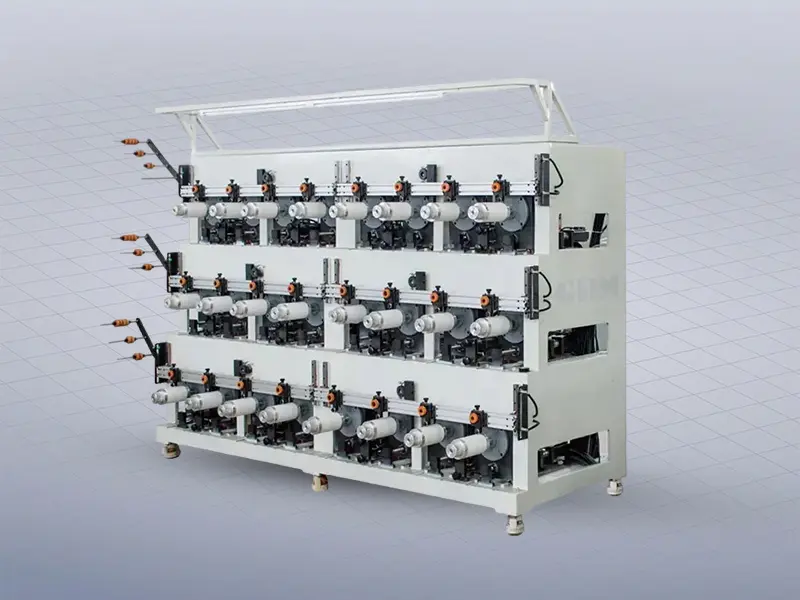
Table of Contents
- Introduction to Rewinding Machines
- Types of Rewinding Machines
- How a Rewinding Machine Works
- Benefits of Using a Rewinding Machine
- Applications in Different Industries
- Technical Specifications of GRM Rewinding Machines
- How to Select the Right Rewinding Machine
- Maintenance and Troubleshooting
- Frequently Asked Questions (FAQ)
Introduction to Rewinding Machines
A rewinding machine is designed to rewind rolls of materials such as metal strips, paper, or wires into a new roll after processing. These machines are widely used in manufacturing industries to ensure precision, reduce waste, and improve operational efficiency. GRM, a leading manufacturer in industrial machinery, offers a range of rewinding machines designed for durability, precision, and adaptability.
Modern rewinding machines come with advanced automation systems, allowing operators to control tension, speed, and alignment. By using a GRM rewinding machine, manufacturers can achieve consistent quality and minimize downtime.
Types of Rewinding Machines
Rewinding machines can be categorized based on material type, functionality, and automation level. Understanding these types helps in selecting the appropriate machine for your needs.
- Metal Rewinding Machines: Designed for steel, aluminum, or copper coils.
- Paper Rewinding Machines: Commonly used in paper mills to rewind large rolls into smaller, manageable sizes.
- Wire Rewinding Machines: Used in electrical and cable industries for precise wire handling.
- Automatic Rewinding Machines: Equipped with automated tension control, reducing operator intervention.
- Semi-Automatic Rewinding Machines: Require partial manual control, suitable for smaller operations.
How a Rewinding Machine Works
The working principle of a rewinding machine revolves around tension control, alignment, and speed synchronization. Here’s a simplified process:
- The material roll is mounted on the unwinding section.
- Tension sensors and rollers guide the material through the machine.
- The material is rewound onto a new core at controlled speed and alignment.
- Automated systems monitor for breakage or uneven winding.
The following table summarizes key operational parameters:
| Parameter | Description | GRM Machine Example |
|---|---|---|
| Tension Control | Maintains consistent material tension | Automatic tension system with feedback sensors |
| Speed | Adjustable speed for different materials | 0-50 m/min for metal coils |
| Alignment | Ensures precise rewinding without overlap | Laser-guided edge alignment |
Benefits of Using a Rewinding Machine
Rewinding machines offer a variety of advantages to manufacturers, including:
- Improved Efficiency: Speeds up the production process with minimal operator intervention.
- Enhanced Product Quality: Ensures uniform rolls and reduces defects.
- Reduced Material Waste: Precise tension control minimizes scrap material.
- Automation and Safety: Reduces manual handling and operator fatigue.
- Versatility: Can handle a wide range of materials and roll sizes.
Applications in Different Industries
Rewinding machines are indispensable in multiple sectors. Here are some common applications:
- Metal Industry: For steel, aluminum, and copper coil handling.
- Paper Industry: Rewinding large paper rolls into smaller, manageable sizes.
- Textile Industry: Rewinding fabric rolls for packaging or further processing.
- Wire and Cable Industry: Ensures precise and compact coil formation.
GRM’s rewinding machines are particularly suited for industries requiring high precision and minimal downtime.
Technical Specifications of GRM Rewinding Machines
Below is an example specification table for a typical GRM rewinding machine:
| Feature | Specification |
|---|---|
| Material Width | 100-1500 mm |
| Roll Diameter | ≤1200 mm |
| Maximum Speed | 50 m/min |
| Tension Control | Automatic, with sensor feedback |
| Power Supply | 380V / 50Hz |
How to Select the Right Rewinding Machine
Choosing the correct rewinding machine involves considering several factors:
- Material Type: Metals, paper, or wires have different tension and speed requirements.
- Production Volume: High-volume operations may require fully automatic machines.
- Roll Size: Maximum roll diameter and width must match your operational needs.
- Budget: Factor in both machine cost and long-term maintenance expenses.
- Brand Reliability: GRM provides robust machines known for durability and precision.
Maintenance and Troubleshooting
Proper maintenance is crucial for ensuring long-lasting performance of rewinding machines:
- Regular lubrication of moving parts
- Inspection of tension control systems
- Alignment checks to prevent uneven rewinding
- Replacing worn rollers and bearings
- Periodic calibration of sensors and automated systems
Common troubleshooting issues include:
- Uneven winding – usually due to misalignment
- Tension fluctuations – check sensors and control settings
- Material slippage – verify roller condition and surface friction
Frequently Asked Questions (FAQ)
- What materials can a GRM rewinding machine handle?
- GRM rewinding machines can handle metals, paper, fabrics, and wires with various thicknesses and widths.
- Are GRM rewinding machines fully automatic?
- GRM offers both fully automatic and semi-automatic models to suit different production needs.
- How often should maintenance be performed?
- Routine maintenance is recommended monthly, with more extensive checks annually.
- Can the machine be customized for specific production requirements?
- Yes, GRM provides customization options for roll size, speed, and tension control based on client requirements.
- Is training required to operate the machine?
- While GRM machines are user-friendly, operator training is recommended to maximize efficiency and safety.
In conclusion, investing in a GRM rewinding machine can drastically improve your production efficiency, product quality, and operational safety. With the right selection, proper maintenance, and knowledgeable operation, manufacturers can achieve significant cost savings and higher productivity. For more information or to discuss your specific production needs, contact us today and explore the range of GRM rewinding machines designed to optimize your manufacturing workflow.