
- English
- Español
- Português
- русский
- Français
- 日本語
- Deutsch
- tiếng Việt
- Italiano
- Nederlands
- ภาษาไทย
- Polski
- 한국어
- Svenska
- magyar
- Malay
- বাংলা ভাষার
- Dansk
- Suomi
- हिन्दी
- Pilipino
- Türkçe
- Gaeilge
- العربية
- Indonesia
- Norsk
- تمل
- český
- ελληνικά
- український
- Javanese
- فارسی
- தமிழ்
- తెలుగు
- नेपाली
- Burmese
- български
- ລາວ
- Latine
- Қазақша
- Euskal
- Azərbaycan
- Slovenský jazyk
- Македонски
- Lietuvos
- Eesti Keel
- Română
- Slovenski
- मराठी
- Srpski језик
- Esperanto
- Afrikaans
- Català
- שפה עברית
- Cymraeg
- Galego
- Latviešu
- icelandic
- ייִדיש
- беларускі
- Hrvatski
- Kreyòl ayisyen
- Shqiptar
- Malti
- lugha ya Kiswahili
- አማርኛ
- Bosanski
- Frysk
- ភាសាខ្មែរ
- ქართული
- ગુજરાતી
- Hausa
- Кыргыз тили
- ಕನ್ನಡ
- Corsa
- Kurdî
- മലയാളം
- Maori
- Монгол хэл
- Hmong
- IsiXhosa
- Zulu
- Yoruba
- অসমীয়া
- ଓଡିଆ
- Punjabi
- پښتو
- Chichewa
- Samoa
- Sesotho
- සිංහල
- Gàidhlig
- Cebuano
- Somali
- Тоҷикӣ
- O'zbek
- Hawaiian
- سنڌي
- Shinra
- Հայերեն
- Igbo
- Sundanese
- Lëtzebuergesch
- Malagasy

How Does a Strip Rolling Mill Reduce Scrap and Boost Coil Consistency?
Abstract
A strip rolling line can be the difference between predictable, saleable coils and a daily fight with thickness drift, shape complaints, surface defects, and unplanned downtime. If you’re buying or upgrading a Strip Rolling Mill, you’re not just paying for rollers and frames—you’re paying for repeatability, control, and a process that protects your margin. This article breaks down the most common buyer pain points (scrap, waviness, poor flatness, surface marks, slow changeovers, high energy use) and explains which mill features actually solve them. You’ll also get a practical selection checklist, a comparison table, and a commissioning-and-maintenance roadmap so your investment delivers stable gauge, better yield, and easier operation from day one.
Contents
- Outline
- What Is a Strip Rolling Mill?
- Buyer Pain Points and the Real Fixes
- Key Technical Elements That Decide Results
- Choosing the Right Configuration
- Specification Checklist Before You Sign
- Installation, Commissioning, and Ramp-Up
- Maintenance and Operating Cost Control
- What to Expect From a Reliable Supplier
- FAQ
Outline
- Define what a strip rolling mill does and where it sits in a production chain
- Connect common quality and cost problems to root causes inside the rolling process
- Explain the control systems and mechanical elements that stabilize thickness, shape, and surface
- Compare typical mill layouts so buyers can match equipment to product mix
- Provide a pre-purchase checklist that reduces project and performance risk
- Share commissioning and maintenance practices that protect uptime and yield
What Is a Strip Rolling Mill?
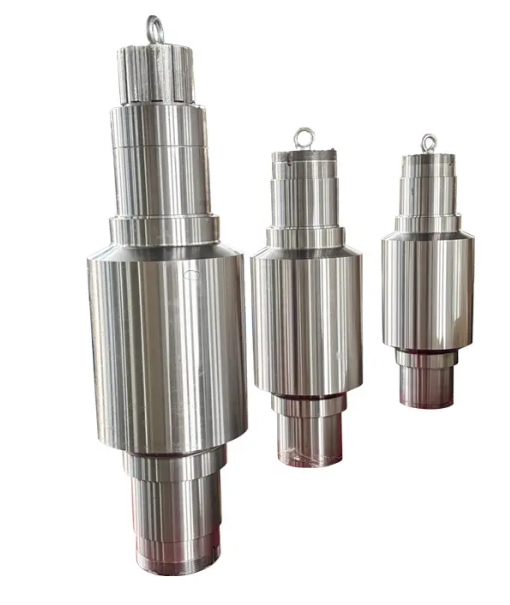
A Strip Rolling Mill reduces metal thickness by passing strip (steel, stainless, aluminum, copper, and other alloys) through one or more sets of rotating rolls. The goal isn’t only “thinner”—it’s uniform thinner: stable gauge across the width, controlled crown and flatness, clean surface finish, and consistent mechanical properties coil after coil.
In practice, strip rolling is a system. Besides the mill stand(s), your results depend on entry/exit tension control, coilers/uncoilers, guides, roll coolant and lubrication, measurement sensors (thickness/shape), automation, and the operator interface that makes the line run smoothly instead of nervously.
Buyer Pain Points and the Real Fixes
-
Pain point: Thickness drift and customer rejections.
Root causes: unstable rolling force, thermal growth, inconsistent tension, slow feedback, or inadequate gauge measurement.
Fixes that matter: fast automatic gauge control (AGC), reliable thickness measurement at the right locations, stable hydraulic screwdown, and a tension system that doesn’t hunt. -
Pain point: Poor flatness, edge wave, center buckle, and “wavy strip.”
Root causes: uneven elongation across width, roll bending effects, wrong crown strategy, or inconsistent incoming material.
Fixes that matter: shape/flatness measurement, roll bending or shifting options (when appropriate), better pass schedule design, and tension coordination between sections. -
Pain point: Surface defects (scratches, chatter marks, pickup, stains).
Root causes: roll surface condition, coolant/lubrication issues, poor strip guiding, vibration, contaminated emulsion, or dirty coil handling.
Fixes that matter: clean filtration and coolant management, good strip steering and guides, vibration-aware stand design, roll grinding discipline, and controlled threading/tail-out. -
Pain point: Slow changeovers and low productivity.
Root causes: manual setup steps, weak automation, long coil threading time, or poor accessibility for rolls and bearings.
Fixes that matter: recipe-based setups, intuitive HMI, quick roll change concepts where needed, easy access points, and stable threading sequences. -
Pain point: High maintenance cost and unplanned downtime.
Root causes: overloaded bearings, poor sealing, weak lubrication, overheating, misalignment, or lack of spare strategy.
Fixes that matter: robust bearing selection, proper sealing and lube systems, condition monitoring, alignment procedure, and a supplier who delivers parts and documentation quickly.
Key Technical Elements That Decide Results
If you only compare brochure numbers, you’ll miss the real performance drivers. These elements typically make or break stability in a Strip Rolling Mill:
-
Rolling force control and screwdown response
The stand must react quickly to thickness deviations without overshoot. Hydraulic systems and feedback tuning matter as much as rated force. -
Automatic Gauge Control and measurement strategy
Gauge control is only as good as the signal feeding it. Think about where thickness is measured, how fast the loop responds, and how the system handles acceleration/deceleration. -
Tension control across sections
Tension influences shape, gauge, and surface. Stable tension control reduces coil-to-coil variability and prevents strip breaks during threading and speed changes. -
Shape/crown management
Flatness problems are expensive because they show up late—often after slitting or forming. If flatness is a key product requirement, plan for shape measurement and a control method that matches your material range. -
Coolant, lubrication, and filtration
Temperature and friction affect gauge, surface, and roll life. A clean, well-managed coolant system can reduce defects and help maintain stable rolling conditions over long runs. -
Guiding and steering
Even a great stand can’t save poor strip tracking. Good guiding reduces edge damage, improves coiling quality, and lowers the chance of sudden strip breaks.
Choosing the Right Configuration
There isn’t one “best” mill—there’s a best match for your product range, coil sizes, and quality targets. Here’s a practical way to think about common setups:
| Configuration | Best Fit | Trade-Offs to Plan For |
|---|---|---|
| Single-stand reversing | Flexible small/medium production, multiple grades, frequent size changes | Lower throughput; needs strong control to keep consistency across passes |
| Multi-stand tandem | Higher volume and consistent product mix | Higher investment; more complex synchronization and commissioning |
| 2-high / 4-high style stands | General-purpose strip reduction (varies by product and thickness range) | Match stand type to material strength, reduction needs, and flatness targets |
| Dedicated finishing focus | Customers demanding better surface and tight tolerances | May require enhanced measurement, coolant control, and roll management discipline |
When you talk to suppliers, describe your “hard cases”: the toughest grade, the widest strip, the thinnest target gauge, and the strictest flatness requirement. A mill that looks perfect on average conditions can struggle with the extremes—exactly where scrap becomes expensive.
Specification Checklist Before You Sign
Use this checklist to reduce performance risk and make proposals easier to compare:
- Product definition: alloy/grade range, incoming thickness, target thickness, width range, coil ID/OD, max coil weight, surface requirements.
- Tolerance targets: thickness tolerance, crown/flatness expectations, surface defect limits, coil build quality expectations.
- Line speed needs: minimum/maximum speed, acceleration profile, expected daily throughput.
- Automation scope: gauge control approach, tension coordination, recipe storage, alarm history, user permissions, remote support options.
- Measurement package: thickness gauge type/location, flatness/shape measurement (if needed), temperature monitoring, data logging needs.
- Utilities and footprint: power, water, compressed air, coolant system space, foundation requirements, crane access.
- Wear-part strategy: roll materials and spare rolls, bearings and seals, filters, pumps, sensors, lead times for critical parts.
- Acceptance criteria: define the test coils, measurement methods, and what “pass” looks like before shipment and after installation.
Installation, Commissioning, and Ramp-Up
Many mills “fail” not because the hardware is bad, but because commissioning is rushed or under-scoped. A disciplined ramp-up protects your output and your team:
- Foundation and alignment first: misalignment creates vibration, bearing wear, and inconsistent thickness. Verify alignment steps and documentation.
- Dry run and interlock validation: test safety interlocks, threading logic, emergency stops, and sensor checks before strip ever enters the line.
- Progressive rolling trials: start with easier material and moderate reductions, then move toward thinner targets and harder grades as stability improves.
- Operator training with real scenarios: include strip break recovery, tail-out handling, coolant troubleshooting, and thickness drift diagnosis.
- Data-based tuning: log thickness and tension trends; tune control loops based on real running conditions rather than default settings.
Maintenance and Operating Cost Control
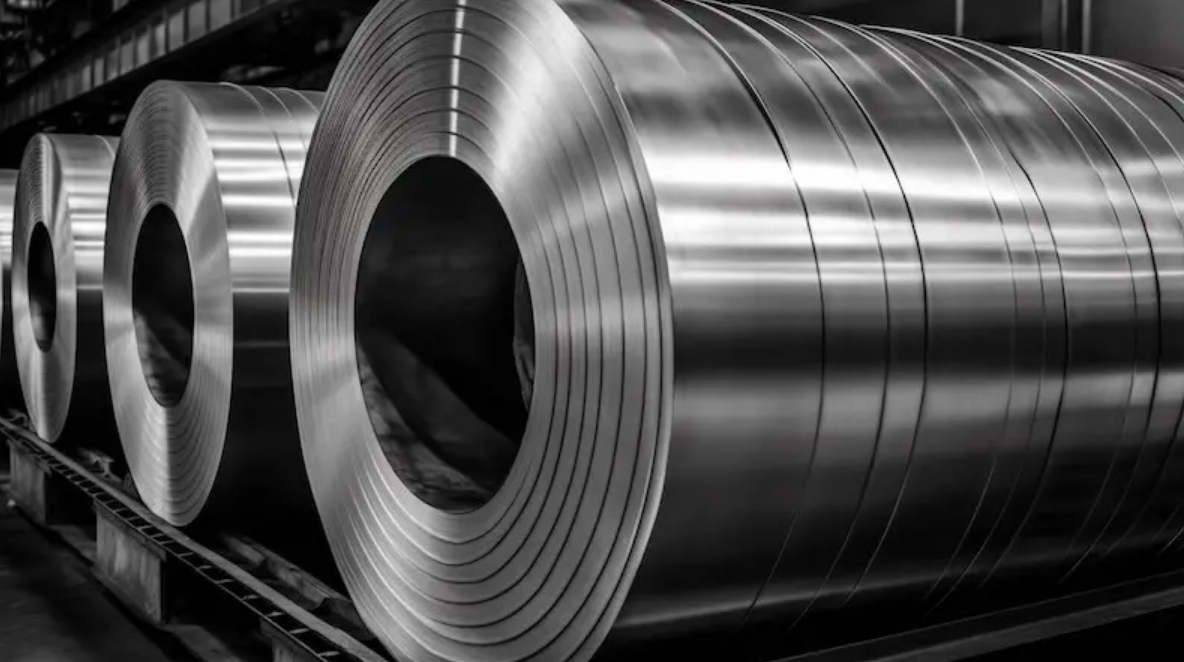
A Strip Rolling Mill that meets spec on day one still needs process discipline to keep meeting spec six months later. Focus on the maintenance items that most directly affect quality and uptime:
- Roll management: consistent grinding, surface inspection, and storage. Track roll life and defect patterns by roll set.
- Coolant and filtration: maintain concentration and cleanliness; treat filtration like a quality tool, not just a utility.
- Bearings and seals: monitor temperature and vibration; replace seals proactively to prevent contamination damage.
- Calibration: schedule calibration for thickness measurement and tension sensors so the control system stays trustworthy.
- Spare parts discipline: stock critical wear parts; agree on lead times and part numbers early, before you’re in a downtime emergency.
What to Expect From a Reliable Supplier
Choosing the right mill is also choosing the right long-term partner. A capable supplier should be able to explain not only “what we sell,” but “how we help you hit spec.” In discussions with Jiangsu Goodroller Machinery Co., Ltd., for example, you should expect clear communication on configuration options, controls scope, commissioning support, documentation, and spare-parts planning—because those are the levers that keep your line stable after the installation team leaves.
Ask for process clarity: how pass schedules are recommended, what measurements are included, how troubleshooting is handled, and what training materials your operators will receive. The strongest suppliers speak in practical outcomes: fewer rejects, fewer strip breaks, faster stabilization after coil changes, and predictable maintenance windows.
FAQ
What’s the biggest reason a strip rolling mill produces inconsistent thickness?
Most inconsistency comes from a combination of unstable tension, slow or poorly tuned gauge control, and thermal effects (roll and strip temperature changes). A system-level approach—measurement, control response, and stable mechanical components—usually solves it more reliably than “more force.”
How can I reduce edge wave and improve flatness?
Flatness problems often require better tension coordination and a shape strategy that matches your material and width range. If flatness is a critical customer requirement, plan for shape measurement and a control method designed for your product mix.
Should I choose a reversing mill or a tandem mill?
If you run many grades and sizes with frequent changeovers, reversing mills can be flexible. If your throughput needs are high and your product mix is stable, a tandem approach can deliver stronger productivity. The right choice depends on your “hardest coil” plus your daily production plan.
What utilities and supporting equipment are often underestimated?
Coolant filtration capacity, water quality, power stability, and crane access are commonly underestimated. These directly affect surface quality, roll life, and maintenance speed.
How do I write acceptance criteria that actually protect me?
Define test material, target thickness/flatness, measurement method, sample size, and run conditions (speed range, reductions, coil weight). Include what happens if targets are missed and how re-testing will be handled after corrections.
Closing Thoughts
A well-chosen Strip Rolling Mill doesn’t just “roll strip”—it stabilizes your process so operators can run confidently, quality becomes predictable, and scrap stops eating your margin. If you’re evaluating a new line or planning an upgrade, align the configuration, control package, and support plan with your toughest product requirements—not your easiest ones.
If you want to discuss your coil range, tolerance targets, and the configuration that best fits your production goals, contact us to start a practical, spec-driven conversation with the team at Jiangsu Goodroller Machinery Co., Ltd.