The Profile Rolling Machine is a cornerstone of modern metal fabrication, offering unmatched precision, efficiency, and versatility. This article explores the types, working principles, advantages, applications, and maintenance practices of profile rolling machines, with a focus on GRM's industry-leading solutions. By understanding the capabilities and considerations involved, metalworking professionals can optimize production and ensure high-quality results.
Introduction to Profile Rolling Machines
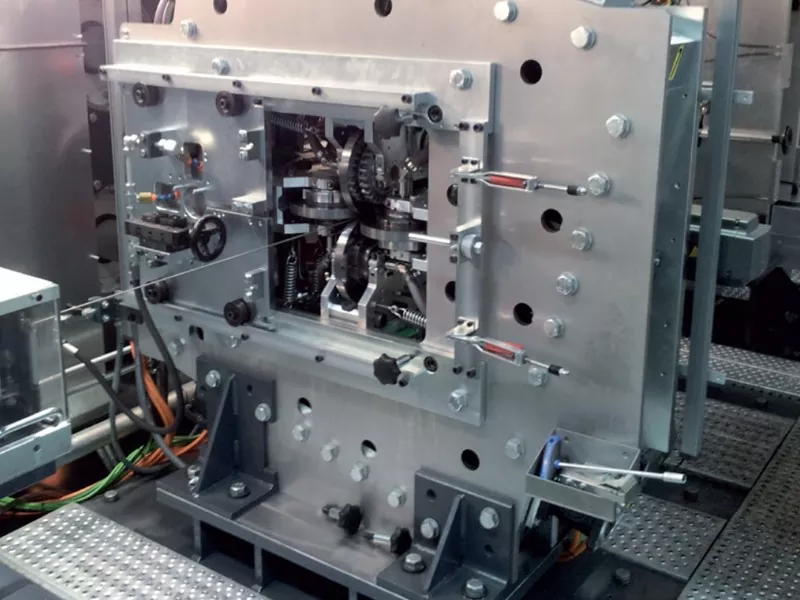
Profile rolling machines, also known as section or structural rolling machines, are specialized equipment designed to shape metal profiles, bars, and sheets into curved or cylindrical forms. GRM has been a leading manufacturer of profile rolling machines, delivering advanced technology and precision engineering for decades. These machines cater to industries ranging from construction to shipbuilding and automotive manufacturing.
Understanding the profile rolling machine's capabilities is crucial for businesses looking to improve metal fabrication efficiency, reduce material waste, and maintain consistent quality in their products.
Types of Profile Rolling Machines
Profile rolling machines come in multiple configurations to suit various industrial needs. Below are the main types:
-
Section Profile Rolling Machines: Ideal for rolling structural beams, angles, and channels.
-
Plate Rolling Machines: Designed for bending flat metal sheets into cylindrical or conical shapes.
-
Pipe and Tube Rolling Machines: Specialized for rolling round, square, and rectangular tubes.
-
Angle and Beam Rollers: Efficient for rolling L-shaped angles or I-beams for construction and engineering applications.
Working Principle
The working principle of a profile rolling machine involves passing a metal profile between a set of rotating rolls that gradually bend it into the desired shape. The key steps include:
-
Loading the Material: The metal profile is positioned between the rolls.
-
Initial Bending: The first pass through the rolls creates a slight curvature.
-
Progressive Rolling: Multiple passes increase the curvature until the target shape is achieved.
-
Final Adjustment: The operator makes precise adjustments for uniform curvature.
GRM profile rolling machines incorporate hydraulic or mechanical systems for roll adjustment, ensuring consistent precision across production batches.
Advantages of Using a Profile Rolling Machine
-
High Precision: Ensures consistent curvature and dimensional accuracy.
-
Material Efficiency: Reduces waste by shaping profiles accurately in fewer passes.
-
Versatility: Can roll various materials, including steel, aluminum, and stainless steel.
-
Time Savings: Speeds up production compared to manual bending or forging methods.
-
Safety: Modern GRM machines include safety features such as emergency stops and protective guards.
Applications in Industry
Profile rolling machines are widely used in industries that require curved or bent metal profiles. Key applications include:
-
Construction: Bending beams, channels, and structural frames.
-
Shipbuilding: Rolling steel plates and sections for hulls and bulkheads.
-
Automotive Manufacturing: Producing chassis components and custom profiles.
-
Energy: Fabricating pipelines, wind turbine towers, and pressure vessels.
-
Art and Architecture: Creating decorative metal frameworks and sculptures.
Key Features to Consider
When selecting a profile rolling machine, businesses should evaluate several critical features to ensure it meets production requirements:
-
Roll Diameter and Length: Determines the maximum profile size that can be bent.
-
Material Capacity: Maximum thickness and hardness the machine can handle.
-
Control System: CNC vs. manual controls for precision and automation.
-
Hydraulic vs. Mechanical: Influences speed, precision, and maintenance requirements.
-
Durability: Construction quality affects long-term performance and reliability.
Maintenance and Safety Tips
Proper maintenance ensures the longevity and safe operation of a profile rolling machine. GRM provides detailed maintenance guidelines for their machines. Key practices include:
-
Regular lubrication of rolls and bearings.
-
Routine inspection for wear, cracks, or alignment issues.
-
Cleaning the machine surface to prevent material buildup.
-
Checking hydraulic systems for leaks or pressure inconsistencies.
-
Following manufacturer-recommended safety protocols during operation.
Adhering to these practices reduces downtime, improves safety, and maintains the high precision required in metal fabrication.
Comparison Table of Popular Models
|
Model
|
Max Roll Diameter
|
Material Thickness
|
Control Type
|
Applications
|
|
GRM PRM-100
|
100mm
|
12mm Steel
|
Manual
|
Construction, Decorative
|
|
GRM PRM-200
|
200mm
|
20mm Steel
|
CNC
|
Shipbuilding, Automotive
|
|
GRM PRM-300
|
300mm
|
25mm Steel
|
CNC + Hydraulic
|
Energy, Industrial
|
FAQ
Q1: What materials can a profile rolling machine process?
A1: Most profile rolling machines can handle steel, aluminum, stainless steel, and other metals. GRM machines are engineered to support a wide range of materials with varying thicknesses.
Q2: How is a CNC profile rolling machine different from a manual one?
A2: CNC machines allow automated roll adjustments and precise shaping, reducing operator error and speeding up production. Manual machines require skilled operators for adjustments and may be slower for complex profiles.
Q3: Can profile rolling machines produce conical shapes?
A3: Yes, advanced Profile Rolling Machine systems, especially those developed by GRM, are capable of producing conical, circular, and even complex asymmetric shapes depending on roll configuration and control system accuracy.
Q4: What is the lifespan of a profile rolling machine?
A4: With proper maintenance, a high-quality profile rolling machine can last 15–25 years or more. Regular servicing, lubrication, and timely replacement of worn components significantly extend machine lifespan.
Q5: Is CNC control necessary for modern production?
A5: While not strictly necessary, CNC control greatly enhances precision, repeatability, and productivity. Many manufacturers prefer CNC-equipped Profile Rolling Machine systems for large-scale or high-precision projects.
Q6: How do I choose the right profile rolling machine for my business?
A6: The selection depends on material type, thickness, production volume, and required curvature complexity. Consulting with manufacturers like GRM ensures you choose a machine aligned with your production goals.
Q7: What industries benefit most from profile rolling machines?
A7: Industries such as construction, shipbuilding, automotive, aerospace, and energy heavily rely on profile rolling machines for structural shaping and component fabrication.
Q8: Are GRM profile rolling machines customizable?
A8: Yes, GRM offers customization options including roll size, control systems, hydraulic power adjustments, and automation levels to meet specific industrial requirements.
Conclusion: Why the Profile Rolling Machine Is a Strategic Investment
The Profile Rolling Machine has become an essential asset in modern manufacturing due to its ability to deliver precision, efficiency, and versatility across multiple industries. From construction to energy infrastructure, its role in shaping durable and accurate metal components cannot be overstated.
Companies like GRM continue to push innovation in this field, offering advanced solutions that integrate automation, hydraulic precision, and CNC control systems. These advancements not only improve productivity but also reduce operational costs and material waste.
Whether you are scaling up production or improving fabrication quality, investing in a high-performance Profile Rolling Machine ensures long-term value and competitive advantage in the metalworking industry.
If your business aims to achieve higher efficiency, better accuracy, and reliable metal forming solutions, choosing the right equipment partner is critical.
For professional consultation, machine specifications, or customized solutions, contact us today to explore how GRM can support your production needs with industry-leading Profile Rolling Machine technology.